

Maximizing Network Capacity Without Compromising Reliability
In many commercial environments, data network infrastructure is expected to absorb increasing demand without drawing attention to itself. As organizations add more connected systems, expand workspaces, and rely on real-time communication, the underlying network must carry heavier loads while maintaining consistent performance. When that balance breaks down, the effects are immediate—video systems lag, collaboration suffers, and critical systems become unreliable.
Increasing network capacity is not simply a matter of adding equipment or pushing existing systems harder. In most cases, performance issues trace back to physical infrastructure that was not designed to support current usage patterns. Addressing utilization effectively requires a clear understanding of how a facility operates today and how its technology demands are evolving.
Understanding Where Demand Comes From
Modern facilities rely on a wide range of connected systems beyond traditional data endpoints. Conference rooms support high-resolution video collaboration. Digital signage and interactive displays distribute content across shared spaces. Access control and surveillance systems operate continuously in the background.
Each of these systems contributes to overall network demand. When infrastructure planning focuses only on individual devices rather than cumulative usage, capacity limits can surface quickly. Understanding where traffic originates, how systems interact, and which areas experience peak usage helps organizations make informed decisions about infrastructure improvements.
This perspective keeps planning grounded in real operational needs rather than theoretical capacity targets.
The Limits of Pushing Existing Infrastructure
When performance issues arise, there is often pressure to “optimize” what is already in place. While minor adjustments may offer short-term relief, they rarely address the underlying constraints of physical infrastructure.
Cable quality, pathway congestion, equipment placement, and distance limitations all affect how much data a network can reliably support. As utilization increases, these factors become more pronounced. Without sufficient capacity in the physical layer, higher usage leads to instability rather than efficiency.
Recognizing when infrastructure has reached its practical limits is essential to avoiding recurring disruptions.
The Importance of Organized Physical Design
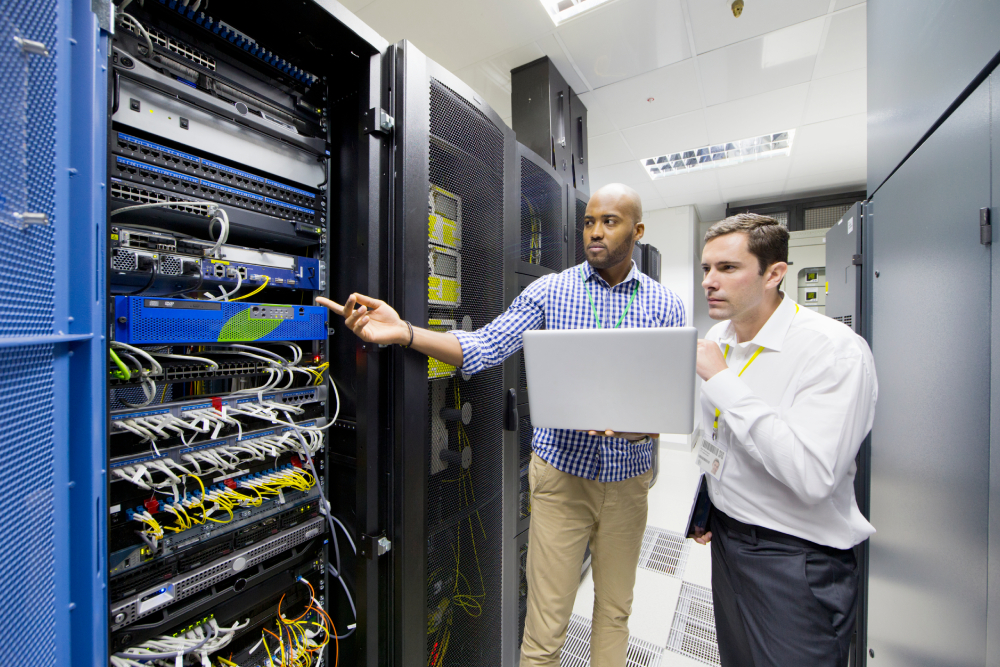
Well-organized infrastructure supports higher utilization by reducing friction throughout the system. Clear cabling pathways, properly sized equipment rooms, and consistent termination practices help maintain signal quality and simplify maintenance.
When cabling becomes crowded or disorganized, even small changes can introduce errors or downtime. Facilities designed with future density in mind are better equipped to absorb growth without compromising performance.
This level of organization also allows technology teams to respond more quickly when changes are needed, minimizing disruption to daily operations.
Supporting High-Demand Systems Without Conflict
In facilities where multiple technology systems coexist, coordination becomes critical. Audiovisual systems, data networks, and security platforms often share physical pathways and infrastructure resources. Without careful planning, these systems can compete with one another in ways that degrade performance.
Thoughtful infrastructure design accounts for the needs of each system while maintaining separation where appropriate. This approach helps ensure that high-demand applications, such as live video or real-time monitoring, perform reliably even as overall usage increases.
Supporting multiple systems successfully depends on planning at the facility level rather than addressing each system in isolation.
Planning for Growth Instead of Reacting to It
Facilities rarely remain static. Departments expand, spaces are reconfigured, and new technologies are introduced over time. Infrastructure that is designed only for current usage often becomes a limiting factor as these changes occur.
Planning for higher utilization means allowing room for growth. Additional pathway capacity, flexible distribution points, and scalable layouts reduce the need for invasive upgrades later. This foresight helps organizations increase usage incrementally without sacrificing stability.
A proactive approach also supports budgeting and scheduling by reducing the urgency of reactive projects.
Why Professional Execution Makes the Difference
While utilization challenges may appear technical, they are often the result of early planning and execution decisions. Inconsistent installation practices, overlooked constraints, or incomplete documentation can limit how effectively infrastructure performs under load.
Professional design and installation bring clarity and accountability to these decisions. Experienced teams evaluate how systems interact, how spaces are used, and how infrastructure can support higher demand over time. They also coordinate with other trades and document systems accurately, reducing risk during future changes.
This level of execution helps ensure that increased utilization translates into productivity rather than disruption.
Our Approach to Supporting Reliable Network Performance
At Alliance Telecommunications, we approach network infrastructure as a foundational element of the built environment. Our work focuses on designing and installing physical systems that support reliable operation as demand increases across commercial, healthcare, industrial, and educational facilities.
We begin by understanding how a facility functions today and how its technology needs are expected to evolve. From there, we design infrastructure that supports higher utilization through organized cabling, coordinated system integration, and scalable layouts. By managing the physical technology layer with long-term performance in mind, we help organizations expand their capabilities without compromising reliability.
If you are evaluating how your facility’s network infrastructure can support higher demand, contact Alliance Telecommunications to discuss your requirements and long-term goals.