

What a Commercial Audiovisual Installation Covers
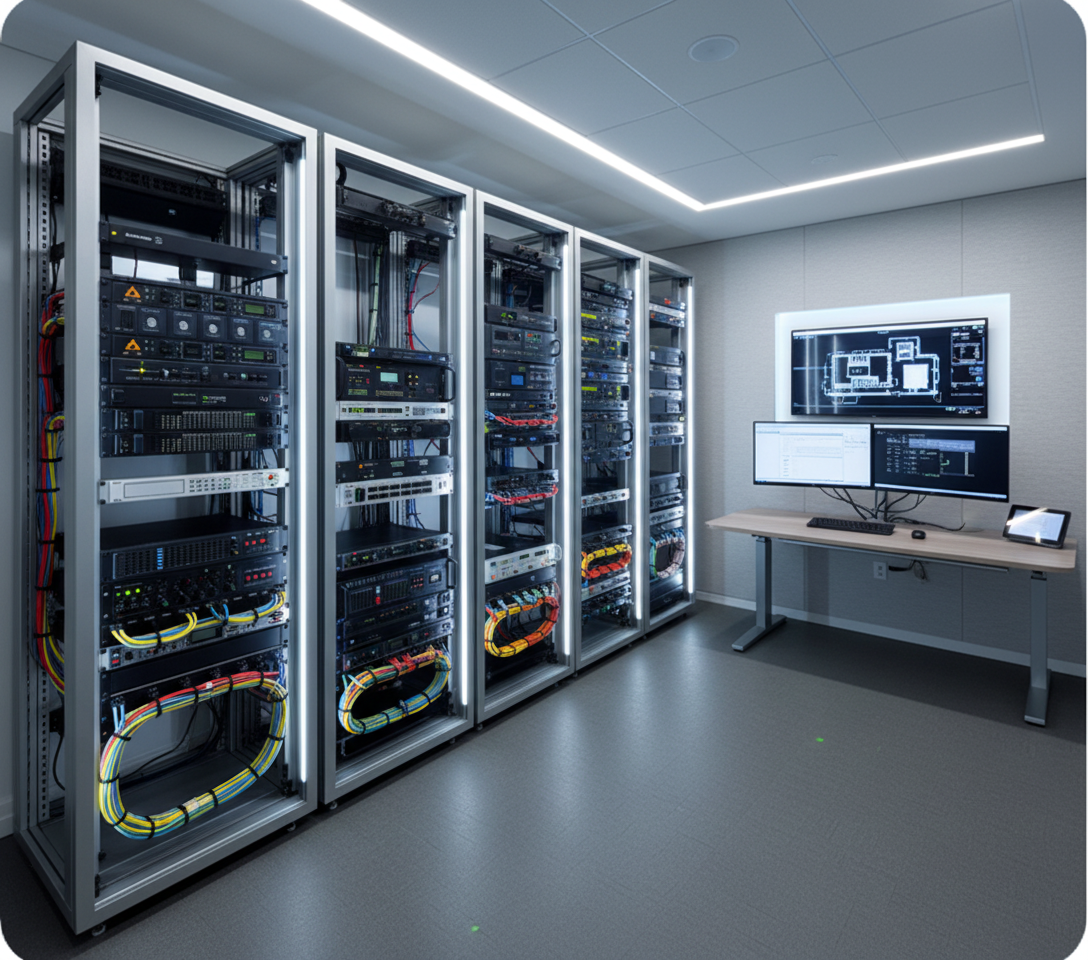
A commercial audiovisual installation ties a group of systems into one working setup. Displays connect through shared wiring. So do speakers, cameras, and control panels. The microphones ride the same backbone.
A typical setup covers quite a bit. Video displays and projection handle the visuals. Room audio spreads sound evenly so nobody strains to hear. Video conferencing keeps hybrid meetings running. Digital signage fills lobbies and hallways with useful content. Users control everything from a panel or a tablet. Some rooms use both.
Alliance handles planning, integration, and ongoing service. We sit down with your team and your consultants. We learn how the space gets used day to day. Then we design around that.
Room Types We Serve
Every room is different. That is where most AV projects go wrong

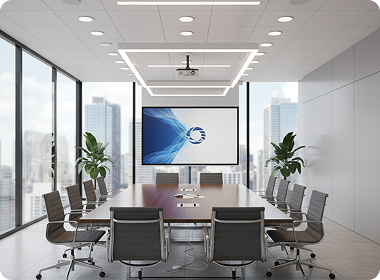
Conference Rooms

Boardrooms

Training Rooms

Lobbies and Common Areas

Video Walls
Industries We Serve
Alliance works with many types of organizations. Our team has installed systems for offices, schools, conference centers, healthcare sites, and government groups.
Each place brings its own needs. A school needs tough, easy-to-use systems for classrooms and auditoriums. A hospital may need displays for patient info and staff coordination. A corporate office needs the same reliable performance in every meeting space. The list goes on.
Equipment Brands We Work With
Our team holds certifications from major manufacturers. That means we can design, install, and service systems built on platforms your team already knows, or point you to the best fit for your goalsBrands include AVIXA (CTS, CTS-I, CTS-D), Crestron (DMC-E, DVX, AVIA, Shades), BIAMP (Nexia, Audia, Tesira, VOIP), Extron (XTP-E, ECS, AV Associate), Cisco (Spark, Video Endpoints), Polycom (Video Endpoints, Voice), Planar (Clarity Matrix), AMX (DGX, RMS, Designer), Audinate (Dante Level 1 and 2), Lencore (INET), ClearOne (Converge), Shure (Microflex Advance), Da-Lite, Chief, and Vaddio.
Our Installation Process
Every project follows a clear path from first talk to final handoff.
Site Survey and Needs Assessment
We visit your space, go over your goals, and check the room. Size, ceiling height, lighting, and sound all shape the design.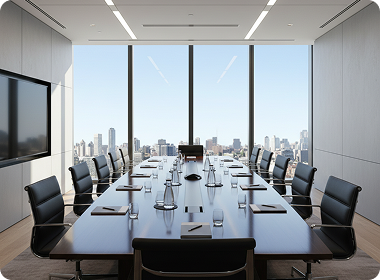
System Design
Our team builds a plan that maps where equipment goes, how signals travel, and how control works.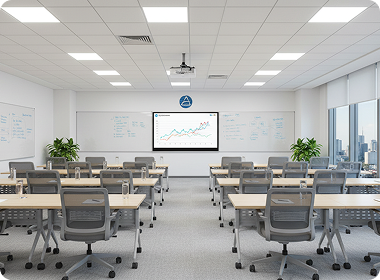
Installation
Certified technicians mount displays, speakers, cameras, and racks. They run and terminate cabling through proper pathways.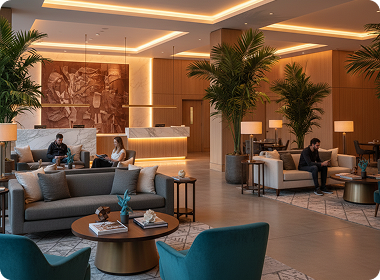
Integration and Programming
We connect every part, program control panels, and tie the system into your network so it runs as one.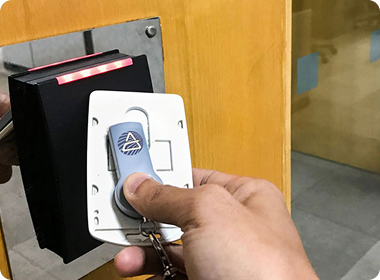
Testing and Commissioning
Before handoff, we test audio, video, and signal quality. We tune settings, check workflows, and document the as-built system.Frequently Asked Questions
What is audio visual installation?
Audio visual installation is the process of designing, installing, connecting, and configuring equipment such as displays, speakers, microphones, cameras, conferencing systems, digital signage, and control panels. In a commercial space, these components are integrated into one system so people can present, communicate, collaborate, and share content easily. A professional installation can also include cabling, network integration, programming, testing, commissioning, user training, and ongoing support.
How much does audio-visual equipment typically cost?
Audio-visual equipment costs vary based on the room type, system size, equipment selected, and level of integration required. A straightforward conference room may need displays, cameras, microphones, speakers, and basic controls, while a boardroom, training facility, or video wall can require more advanced equipment and programming. Existing infrastructure can also affect the overall scope. Alliance evaluates the space and your requirements before recommending equipment and developing a solution that fits the project.
How much do AV companies charge per hour?
AV companies may charge hourly rates for certain service calls, troubleshooting, maintenance, or technical support, while larger installations are typically priced according to the overall project scope. Costs can depend on the technicians required, system complexity, programming needs, equipment, and the amount of time involved. Alliance reviews the requirements of each project or service request before establishing pricing, helping organizations understand the work involved rather than relying on a one-size-fits-all hourly figure.