

6 Types Of Video Surveillance Systems For Your Business
Picking the right surveillance system can shape how you run your business. From deterring theft to tracking daily activity, video cameras have become a staple across a wide range of industries. However, not all systems offer the same capabilities.
With so many configurations on the market, it’s helpful to understand the available options before making a decision. This guide covers six types of video surveillance systems and highlights how each one performs and where it fits best.
Surveillance equipment comes in various formats. Some cameras are better suited for indoor office spaces, while others are built to handle outdoor environments. Certain models operate continuously, while others are motion-triggered. Options range from wired and wireless to cloud-integrated and hybrid solutions. The types of video surveillance systems you choose should reflect your layout, operational needs, and budget.
Analog Camera Systems
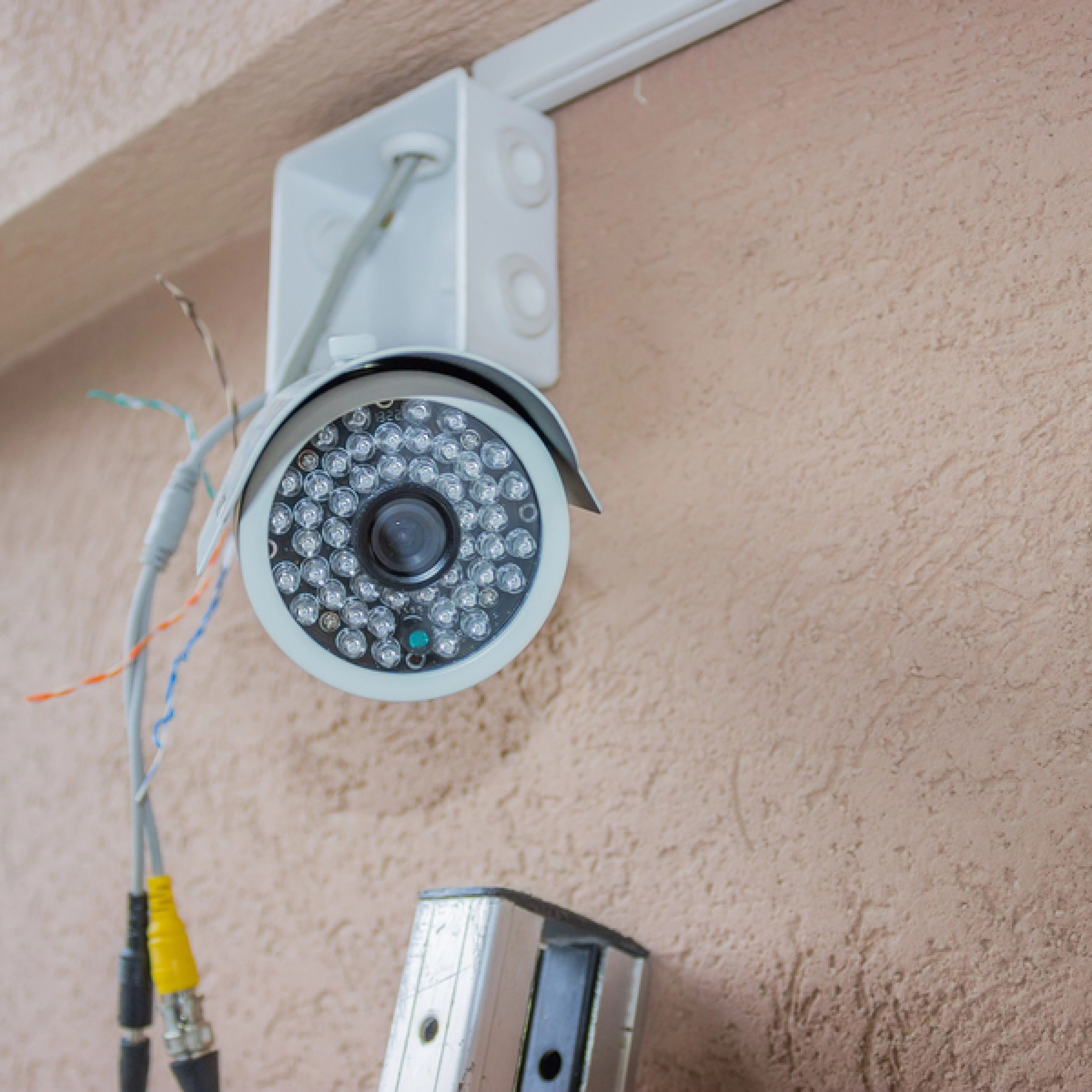
Analog camera systems remain a popular choice for many businesses. These cameras capture footage and transmit it to a digital video recorder (DVR) through coaxial cables. Although the video quality is lower compared to modern alternatives, analog systems are valued for their simplicity and cost-effectiveness.
Since footage is stored locally, there’s no need for a stable internet connection to review past recordings. This can be especially useful in locations where internet service is slow or unreliable. Many DVRs today include remote viewing capabilities so that users can monitor their site even when away.
Analog setups typically require more cabling than IP systems, which may result in longer installation times. However, once in place, they generally require minimal upkeep and operate reliably over time.
IP Camera Systems
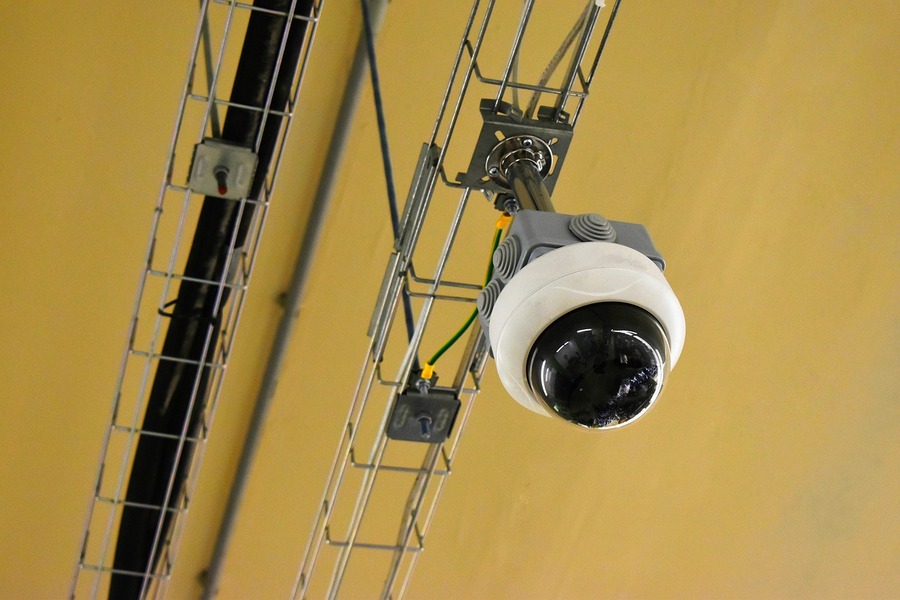
IP (Internet Protocol) camera systems represent the current standard in video surveillance. These cameras connect to your network and transmit video over the internet. Footage can be stored using cloud services or a network video recorder (NVR). This approach allows for easier organization, access, and system expansion when required.
A key advantage of IP systems is image quality. Higher resolution cameras provide sharper detail, making it easier to recognize faces, read license plates, and monitor activity with accuracy. Features such as digital zoom, smart alerts, and remote access are often built in.
Installation offers more flexibility compared to analog setups. Power over Ethernet (PoE) technology allows a single cable to deliver both power and data. This reduces wiring complexity and simplifies the process of placing cameras exactly where they’re needed.
Wireless Camera Systems
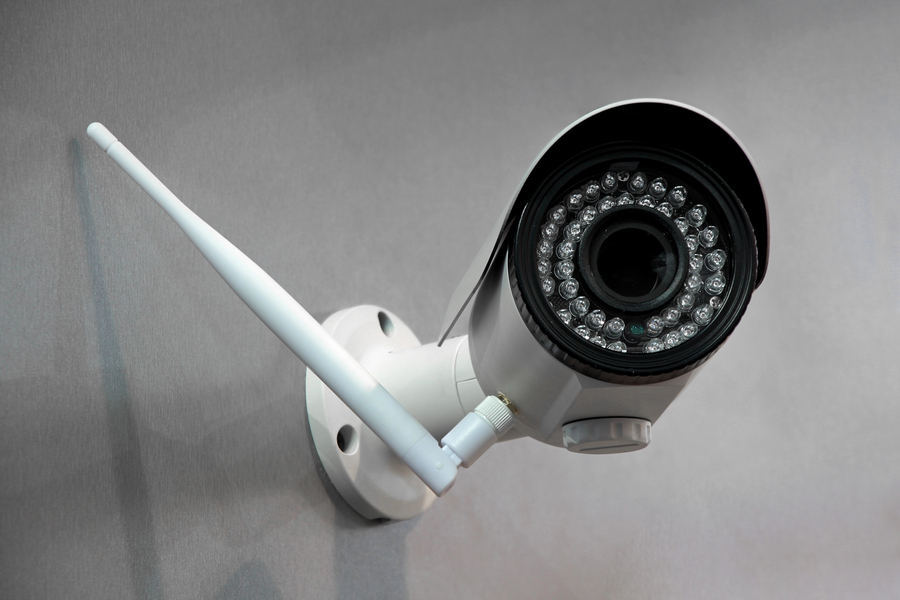
Wireless surveillance systems are a solid pick for small businesses or areas that don’t support complex wiring. These cameras connect over Wi-Fi and send footage to a recorder or cloud platform.
You can install them in places where running cables would be tough or disruptive. Think of older buildings, remote storage units, or temporary setups. Most wireless systems come with motion alerts and smartphone access, so you can track things in real-time.
Battery life and signal strength are two factors to watch. Walls, interference, or distance from the router may affect performance. Still, for businesses needing fast setup and flexible options, wireless systems are worth a look.
Cloud-Based Video Surveillance
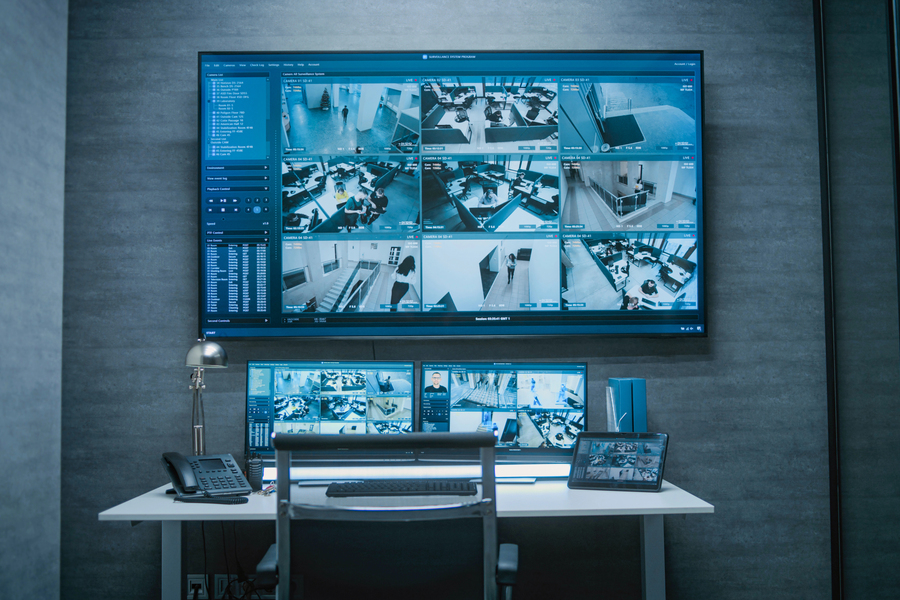
Cloud-based systems store video footage off-site in secure data centers. This setup provides easy access to recordings from any device in any location. Many options are compatible with IP or wireless cameras and operate with subscription-based storage plans.
Automation is one of the main advantages. Updates are handled remotely. Many providers also include AI tools that detect unusual movement or activity and help reduce the time needed to review footage.
No large hardware installations are required at the site, which lowers the risk of losing data if equipment is damaged. Cloud systems are well-suited for businesses seeking modern features without managing physical storage equipment.
Mobile Surveillance Systems
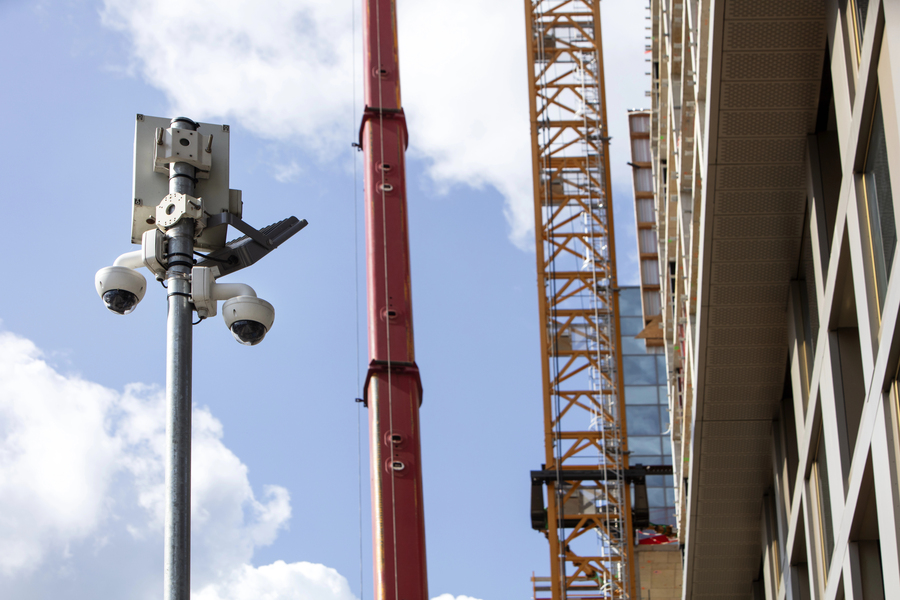
Mobile surveillance systems bring a flexible solution designed to move with your business. These systems work well for construction sites, large events, or temporary job locations. Most units are mounted on trailers or poles and include cameras, motion sensors, lighting, and remote access features.
Footage is either stored locally on the unit or sent to a cloud system. They often operate using solar panels or batteries, eliminating the need for a wired power source. Some models also include cellular connectivity for remote viewing.
This type of system fits best where fast setup and frequent relocation are required. It also works well in areas where installing permanent infrastructure is not practical.
Thermal Camera Systems
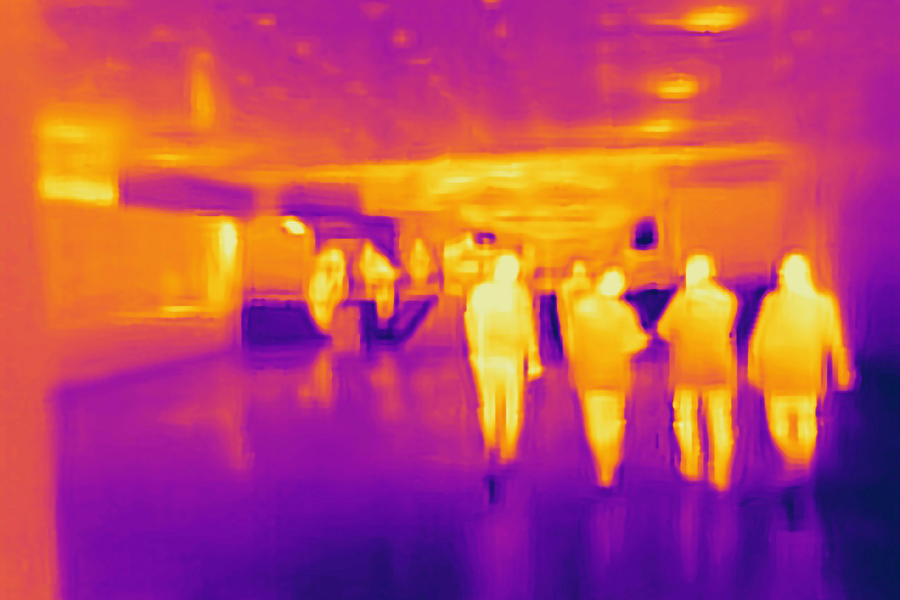
Thermal cameras detect heat signatures rather than visible light. They read temperature differences and translate them into images. This way, it’s possible to detect movement even in darkness, smoke, or fog.
Businesses often use thermal cameras for perimeter security, equipment monitoring, and improving visibility at night. These systems are especially effective in outdoor zones, storage areas, and warehouses.
Although the images are not highly detailed, thermal cameras highlight body heat or overheating equipment. This helps identify intruders or mechanical issues before they escalate. They also pair well with AI software that can trigger automatic alerts.
How Alliance Telecommunications Contractors Inc. Can Help
Alliance Telecommunications Contractors Inc. has partnered with thousands of companies across the U.S. to deliver customized surveillance strategies. Every site has unique needs, which is why we begin with a full evaluation. From there, we design, install, and maintain systems that align with your business requirements.
Our work goes beyond hardware. We develop complete solutions that link your cameras to networks, access control systems, and AV components. This includes support for IP, wireless, mobile, and cloud-based configurations. For locations that require it, we also provide thermal imaging and smart analytics.
Our team is trained across a wide range of disciplines. We don’t just install cameras; we handle the entire low-voltage scope, including structured cabling and full security system integration. Ongoing maintenance, emergency response, and remote diagnostics are also part of our service offering.
Whether your business is expanding or updating its systems, we collaborate with you through every step. From planning to deployment, we stay focused on timelines, budgets, and practical performance. Alliance Telecommunications Contractors Inc. delivers smart, scalable surveillance solutions that align with your long-term goals.
Ready to Strengthen Your Security Strategy?
Choosing the right video surveillance system is about more than just cameras. It’s about finding tools that support your operations, protect your assets, and grow with you. From analog to cloud, mobile to thermal, each type has its place in the modern workplace.
If you’re ready to plan or upgrade your system, get in touch with us today. Let’s talk about what fits your space, your goals, and your team.