

How To Choose a Structured Cabling Installer in NY & NYC
Choosing the right structured cabling installer is one of the most important decisions for any business investing in its IT and communications infrastructure. Structured cabling forms the backbone of reliable connectivity, supporting daily operations, collaboration tools, and emerging technologies.
The right installer can build a system that not only works today but also adapts as your company grows. This article explores the most important factors to consider when selecting an installer, from certifications and project assessment to scalability and customer references.
Understanding Structured Cabling and Its Role
Structured cabling refers to the organized system of cables, connectors, and hardware that powers business communication and data transfer.
It supports everything from internet access and phone systems to audiovisual tools and advanced security solutions. A properly designed cabling system forms the foundation of robust data network infrastructures, guaranteeing smooth workflows and supporting high-speed connectivity.
Without a reliable cabling framework, businesses may face slower networks, higher downtime, and limited scalability. This makes choosing the right installer more than a technical task. It is a long-term business decision that affects productivity and growth.
Industry Experience and Certifications
When evaluating installers, experience should be at the top of your list. A company with years of experience has likely worked across multiple industries, building the knowledge to tackle complex challenges. Experienced installers are familiar with common obstacles, such as working in older buildings or adapting systems to specialized environments.
Certifications also demonstrate professionalism. Recognized organizations such as BICSI, AVIXA, and the National Systems Contractors Association (NSCA) set high standards for industry expertise. Installers with these credentials demonstrate that they keep up with evolving technologies and best practices. With a certified professional, you reduce the risk of poor workmanship or outdated practices.
Customization and Project Assessment
No two businesses are alike. This means cabling projects should not be treated as one-size-fits-all. A qualified structured cabling installer will take the time to understand your unique needs before starting the project. This involves site surveys, evaluating existing equipment, and identifying future growth requirements.
Customization makes sure that the system is designed to support not only today’s devices but also emerging technologies. For example, if your business plans to expand into audiovisual conferencing or advanced security solutions, a tailored approach allows seamless integration. The best installers recommend solutions that align with your goals while keeping long-term adaptability in mind.
Knowledge of Current Standards and Technology
Cabling standards exist to maintain consistency, safety, and performance. An installer who is well-versed in TIA/EIA standards can design a system that meets industry benchmarks while remaining compatible with current and future technologies.
Technology continues to evolve rapidly, and so should your cabling. Businesses adopting cloud-based systems, VoIP communications, or higher-speed internet require infrastructure that can handle increased data loads.
A knowledgeable installer will anticipate these needs and design a system that is future-ready. This proactive approach protects your investment and reduces the need for costly overhauls later.
Quality of Materials and Installation Practices
The performance of your cabling system depends heavily on the quality of materials used. High-grade cables, connectors, and patch panels contribute to better performance, reliability, and durability. Choosing low-grade materials might save money initially, but it often results in higher maintenance costs and system inefficiencies.
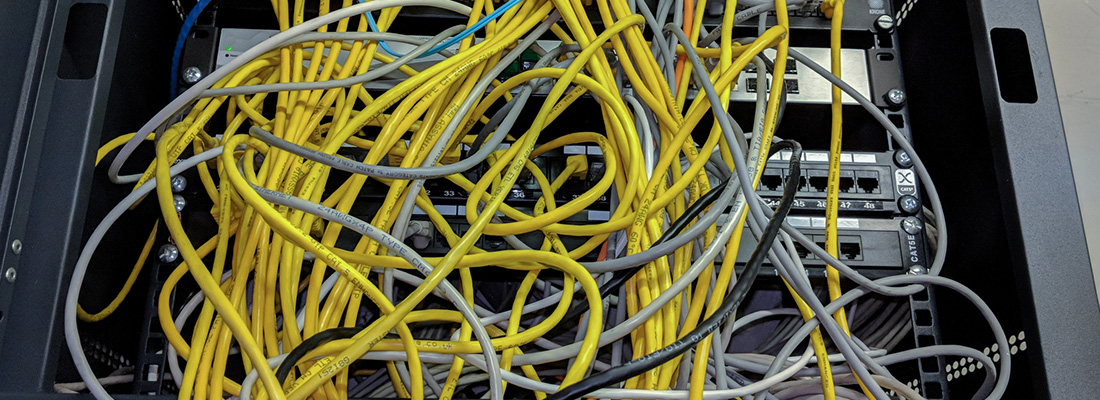
Equally important is how the cabling is installed. Proper routing, labeling, and organization help avoid interference, signal loss, and confusion during maintenance.
A professional installer will also test and certify each connection after installation. This will give you confidence that the system will perform as expected. High standards in both materials and installation practices protect your business against future network issues.
Scalability and Long-Term Support
Your structured cabling system should be built with growth in mind. Businesses expand, technology evolves, and data needs increase. A system that cannot scale will quickly become outdated, which will lead to additional expenses.
A dependable installer designs with scalability in mind and offers solutions that allow for easy expansion without the need to replace the entire system.
Long-term support is another consideration. Documentation, maintenance services, and ongoing consultation help your business adapt as needs change. This forward-looking approach saves both time and money while keeping your infrastructure aligned with modern demands.
Reputation and Customer References
An installer’s reputation speaks volumes about their reliability and quality of work. Before making a decision, research online reviews, testimonials, and case studies. Speaking directly with past clients can give valuable insights into the installer’s professionalism, response times, and ability to complete projects on schedule.
Customer references also reveal how well the installer handled challenges and whether they delivered on expectations. A company with a proven track record demonstrates consistency and commitment to client satisfaction. In contrast, a lack of references may be a red flag that warrants caution.
Making the Right Choice for Your Business
Selecting the best structured cabling installer requires careful evaluation of experience, certifications, customization, standards, quality, scalability, and reputation.
Each factor contributes to a system that not only functions today but also adapts to your future needs. Structured cabling serves as the foundation of reliable data network infrastructures and integrates with advanced security solutions, making the choice of installer a key investment in your business operations.
At Alliance Telecommunications, we combine industry experience and expertise with reliable customer support and a commitment to the highest quality standards. Our team manages the entire low-voltage scope, from cabling and audiovisual systems to comprehensive security solutions, covering design through installation.
Contact us today to discuss your structured cabling needs and discover how we can support your organization’s growth.