

Why Regular Commercial Security Maintenance Matters
Commercial security maintenance is one of the most important aspects of keeping a business safe, reliable, and fully operational. From protecting assets to supporting compliance requirements, regular upkeep of security systems reduces risks that can interrupt day-to-day operations.
When neglected, even the most advanced equipment can fail at the moment it is needed most, leaving businesses vulnerable to theft, unauthorized access, or costly downtime. With a proactive approach, companies safeguard both their people and property while building trust with customers and stakeholders.
The Role of Commercial Security Maintenance
Security systems are a major investment for businesses, designed to protect employees, clients, and assets around the clock.
However, these systems cannot operate at peak efficiency without ongoing attention. Commercial security maintenance makes sure that cameras remain clear, access control works as intended, and alarm systems respond correctly during emergencies.
For companies, the value lies not just in owning advanced technology but in keeping that technology reliable. A well-maintained system reduces interruptions to operations, protects sensitive information, and reinforces safety measures.
When integrated with broader security solutions, maintenance becomes part of a company’s overall risk management strategy. It helps align physical protection with organizational goals.
Common Challenges When Security Maintenance Is Ignored
Businesses that overlook regular inspections and servicing often face challenges that can be avoided with proper planning. These issues do not appear overnight. However, when left unchecked, they can escalate into costly and disruptive problems.
- Equipment breakdowns
Security systems rely on hardware such as cameras, sensors, card readers, and alarm panels. Over time, dust accumulation, environmental exposure, or normal wear can cause them to malfunction. A single broken camera may not seem urgent. Still, if several devices fail at once, blind spots in coverage can create serious security gaps.
- Outdated software
Just like computers and mobile devices, modern security systems need updates to stay resilient against evolving threats. When software is left outdated, it can no longer communicate properly with other systems, leading to false alarms, data loss, or vulnerabilities that hackers can exploit.
Businesses that depend on integrated platforms for monitoring often discover too late that their systems are no longer compatible with newer technologies.
- Greater vulnerability
Criminals and opportunists often look for the weakest point in a security network. A malfunctioning door lock or a surveillance camera with a broken lens becomes an open invitation. Beyond theft, such vulnerabilities can lead to unauthorized access to restricted areas, exposure of sensitive data, or even liability issues if an incident affects employees or visitors.
- Unexpected expenses
Emergency repairs are often far more expensive than routine maintenance. For instance, replacing a failed access control server during an unexpected breakdown can incur not only parts and labor costs but also lost productivity as staff wait to regain access.
In some cases, insurance claims may be delayed or denied if investigations reveal that systems were not properly maintained.
The impact of downtime extends well beyond technical disruptions. Businesses can face reduced employee confidence, strained client relationships, or damage to their reputation if word spreads that security measures are unreliable. In today’s competitive environment, even brief lapses in security can have lasting consequences.
Key Components of Effective Security Maintenance
A structured maintenance plan covers every part of a business’s security system. The following are core elements that strengthen safety and reliability:
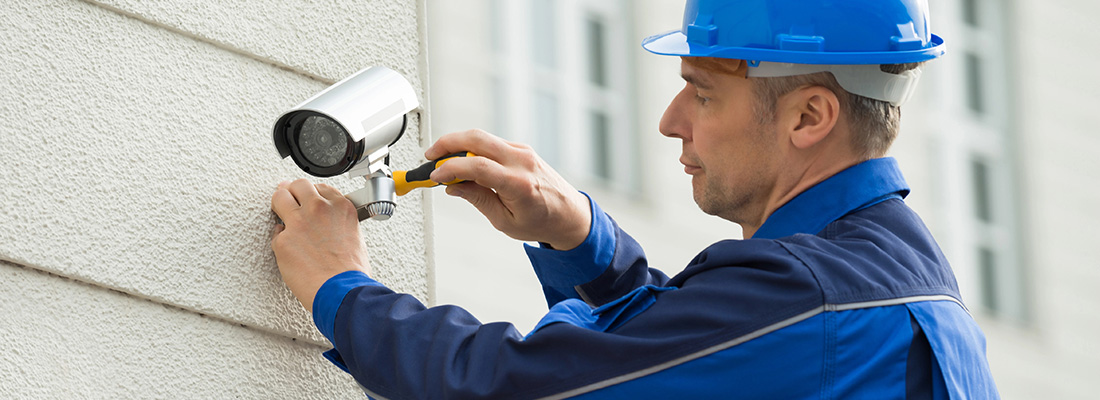
- Physical inspections: Routine checks of cameras, intrusion alarms, and access control points help identify small issues before they become larger problems. Worn cables, loose mounts, or damaged sensors can all affect system performance.
- System testing: Alarms, backup power, and monitoring systems should be tested regularly to confirm that they trigger and respond as designed.
- Data and network checks: Many modern security systems rely on data network infrastructures to operate effectively. Reviewing bandwidth usage, connectivity, and firewalls helps maintain uninterrupted functionality.
- Software updates and patches: Regularly updating firmware and software prevents vulnerabilities and optimizes system performance.
- Documentation: Keeping clear records of inspections, updates, and repairs helps track performance trends and guarantees compliance with regulations.
Benefits of Scheduling Regular Maintenance
A consistent schedule for commercial security maintenance creates multiple advantages for businesses:
- Dependable performance: Systems that are checked and updated operate reliably, avoiding costly surprises during emergencies.
- Reduced downtime: Proactive upkeep lowers the risk of unexpected shutdowns and allows operations to continue smoothly.
- Lower costs: Routine service prevents minor issues from growing into expensive repairs or full replacements.
- Improved safety: Employees, customers, and visitors benefit from a secure environment, which can also enhance a company’s reputation.
- Confidence for stakeholders: Investors, partners, and clients see that the business prioritizes security and responsibility.
In many industries, consistent maintenance is not just good practice but a requirement for regulatory compliance. Businesses that adopt a structured plan build trust while protecting long-term value.
Steps to Take During an Unexpected Security Failure
Even with a strong maintenance program, emergencies can still occur. Knowing how to respond in these moments reduces risks and accelerates recovery.
- Step One – Assess the situation immediately: Determine whether the problem is isolated or widespread, such as one camera malfunctioning versus an entire network failure.
- Step Two – Contain risks: Limit access to sensitive areas, increase staff presence, or use temporary barriers while waiting for technical support.
- Step Three – Document the incident: Record the time, date, affected equipment, and any observations. This documentation helps identify root causes and supports insurance or compliance reporting.
- Step Four – Contact a trusted partner: Reach out to a qualified security professional who can repair and restore systems while advising on ways to prevent recurrence.
How to Select the Right Security Maintenance Partner
Choosing a reliable partner for commercial security maintenance makes a measurable difference in system performance and business safety. Important factors to consider include:
- Industry experience: Look for a company capable of managing the full low-voltage scope, including cabling, audiovisual, and integrated security systems.
- Professional memberships: Affiliations such as BICSI, NSCA, or AVIXA highlight commitment to industry standards and best practices.
- Customer support: Responsive service and ongoing communication help businesses stay confident that their systems are monitored and maintained effectively.
- Customization: The right partner adapts maintenance plans to the business’s specific needs, aligning security upkeep with operational goals.
Protecting Your Business Through Consistent Security Upkeep
Regular commercial security maintenance helps minimize vulnerabilities, control long-term costs, and maintain smooth business operations. It provides the dependability companies need to safeguard people, property, and sensitive information in an evolving risk landscape.
At Alliance Telecommunications, we have decades of industry experience and a strong commitment to the highest quality standards. We manage the full low-voltage scope, from design through installation, for cabling, audiovisual, and security systems. As members of AVIXA, BICSI, and NSCA, our team delivers trusted solutions supported by reliable customer service.
Protect your business and strengthen your security with us by contacting our team today for expert maintenance and support.