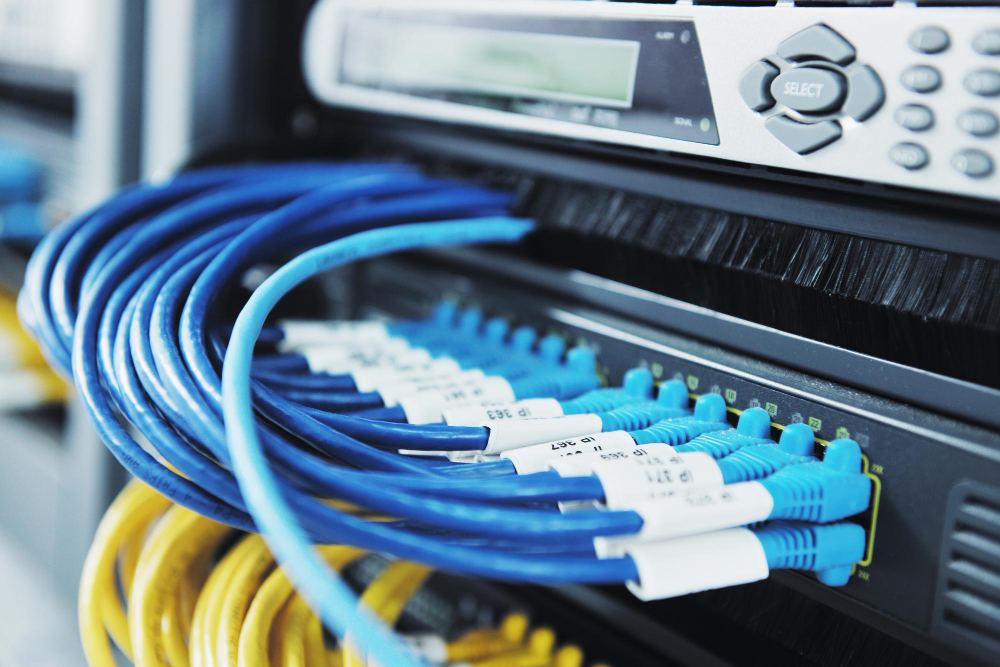


The Importance Of Structured Cabling Standards In Networking
Structured cabling standards shape how modern networks are designed, installed, and maintained across commercial environments.
Without these established guidelines, businesses risk inconsistent performance, difficult expansions, and infrastructure that fails to support changing technology demands.
Organizations that rely on having efficient data network infrastructures cannot afford unpredictability in how their systems are built. Standardization creates consistency, allowing networks to function as intended while supporting long-term operational goals.
This is especially important for companies managing multiple technologies within a single facility.
Here are the Basics Behind Structured Cabling Standards
Before evaluating their impact, it is important to recognize the basics of structured cabling and how standards guide every stage of implementation. These standards define how cables are organized, how connections are established, and how systems are labeled for future use.
Rather than leaving installation decisions to interpretation, structured cabling standards establish a uniform approach. This helps to make certain that every component fits within a broader system design that supports performance and scalability.
Without these guidelines, installations can differ greatly, leading to inconsistencies that complicate maintenance and limit growth potential.
Creating Consistency Across Complex Networks
Consistency is one of the most valuable outcomes of applying structured cabling standards. In environments where multiple systems operate simultaneously, a standardized approach means that every connection will follow the same design principles.
This uniformity simplifies network management. Technicians can quickly identify pathways, trace connections, and perform adjustments without confusion. It also reduces the likelihood of errors during installation, which can lead to performance issues later.
A consistent system supports operational stability, allowing businesses to focus on productivity rather than troubleshooting infrastructure problems.
Supporting Scalability Without Disruption
Growth is a constant factor in modern business operations. New devices, expanded teams, and increased data usage all require infrastructure that can adapt without interruption.
Structured cabling standards create a framework that supports expansion. New components can be added within the existing system without requiring extensive reconfiguration. This approach allows organizations to scale efficiently while maintaining network performance.
Without standardization, expansion often leads to disorganized additions. Over time, this can create a system that is difficult to manage and prone to inefficiencies.
Improving System Performance and Reliability
Network performance depends on how well each component works within the larger system. Structured cabling standards establish guidelines that help maintain signal integrity and reduce interference.
By following these standards, installations achieve consistent performance across all connections. This reduces the risk of connectivity issues that can disrupt daily operations.
Reliable infrastructure is especially important for businesses that depend on continuous communication and data access. A standardized system helps maintain that reliability over time.
Allowing Integration Across Technologies
Modern facilities rely on multiple technologies all working together. Communication platforms, monitoring systems, and building controls must function within a connected environment.
Structured cabling standards support this level of integration. They create a unified framework that allows different systems to operate well within the same infrastructure. This includes lining up communication networks with security solutions and other operational technologies.
Without a standardized approach, systems may operate in isolation. This can limit functionality and greatly increase the complexity of managing multiple technologies.
Simplifying Maintenance and Troubleshooting
Maintenance becomes more efficient when systems are designed with clarity in mind. Structured cabling standards emphasize organization, labeling, and documentation, which all contribute to easier troubleshooting.
When an issue arises, technicians can quickly locate the affected area and resolve the problem without disrupting the entire network. This significantly reduces downtime and helps maintain productivity.
Disorganized systems often require more time to diagnose and repair. A standardized approach eliminates much of that uncertainty.
Boosting Long-Term Cost Efficiency
Infrastructure decisions should be evaluated based on long-term value, not just initial costs. Structured cabling standards contribute to cost efficiency by reducing the need for frequent modifications and extensive maintenance.
A well-organized system supports upgrades without requiring major changes. This minimizes labor costs and prevents unnecessary disruptions to operations.
In contrast, systems that lack standardization often require repeated adjustments as new technologies are introduced. These ongoing expenses can exceed the initial savings of a less structured installation.
Strengthening Business Continuity
Reliable network infrastructure is a big part of business continuity. Interruptions in connectivity can affect communication, data access, and overall productivity.
Structured cabling standards help to maintain stability by creating a dependable basis for all connected systems. This reliability reduces the likelihood of unexpected failures and supports consistent operations.
Access to 24/7 support further reinforces this stability by making certain that any issues are dealt with quickly, minimizing the impact on daily activities.
Why Standards Matter for Modern Organizations
The importance of structured cabling standards extends beyond technical considerations. It directly affects how businesses will operate, adapt, and grow in a technology-driven environment.
Organizations that invest in standardized systems benefit from improved efficiency, reduced complexity, and greater flexibility. These advantages support long-term success by matching infrastructure with changing operational needs.
A lack of standardization can lead to fragmented systems that are difficult to manage and expensive to maintain. Over time, these challenges can hinder growth and limit the effectiveness of technology investments.
Building a Network That Supports Future Demands
Technology continues to advance, and infrastructure must keep pace. Structured cabling standards create a foundation that supports new developments without requiring constant redesign.
This forward-thinking approach allows businesses to adopt new technologies with confidence. It also makes sure that existing systems remain functional and efficient as demands change.
Organizations that prioritize standardized infrastructure position themselves for sustained growth and operational stability.
This approach also strengthens system visibility, making it easier to monitor performance and identify potential concerns early.
As digital demands increase, a well-structured environment supports smoother transitions, reduces operational strain, and maintains consistency across every connected component without unnecessary disruption or inefficiency.
Supporting Audiovisual Solutions Backed by Structured Excellence
At Alliance Telecommunications, we approach every project with a focus on building systems that perform consistently and support long-term success. Our work reflects a commitment to structured design, precise installation, and thoughtful coordination across all connected technologies.
Our experience also allows Alliance Telecommunications to create audiovisual solutions that are in keeping with established standards while supporting the unique needs of each environment.
We focus on delivering organized infrastructure that improves efficiency, reduces complexity, and maintains reliable performance.
Businesses benefit from systems that bring clarity and consistency to their operations. Alliance Telecommunications’ audiovisual solutions are designed to support that level of performance while preparing organizations for future growth and ever-changing technology demands.