

The Importance Of Audiovisual Systems In Modern Courtrooms
The legal landscape is evolving rapidly, demanding higher levels of clarity and accessibility within the judicial process. A modern audiovisual system for courtroom environments is no longer an optional upgrade but a fundamental requirement for the fair administration of justice.
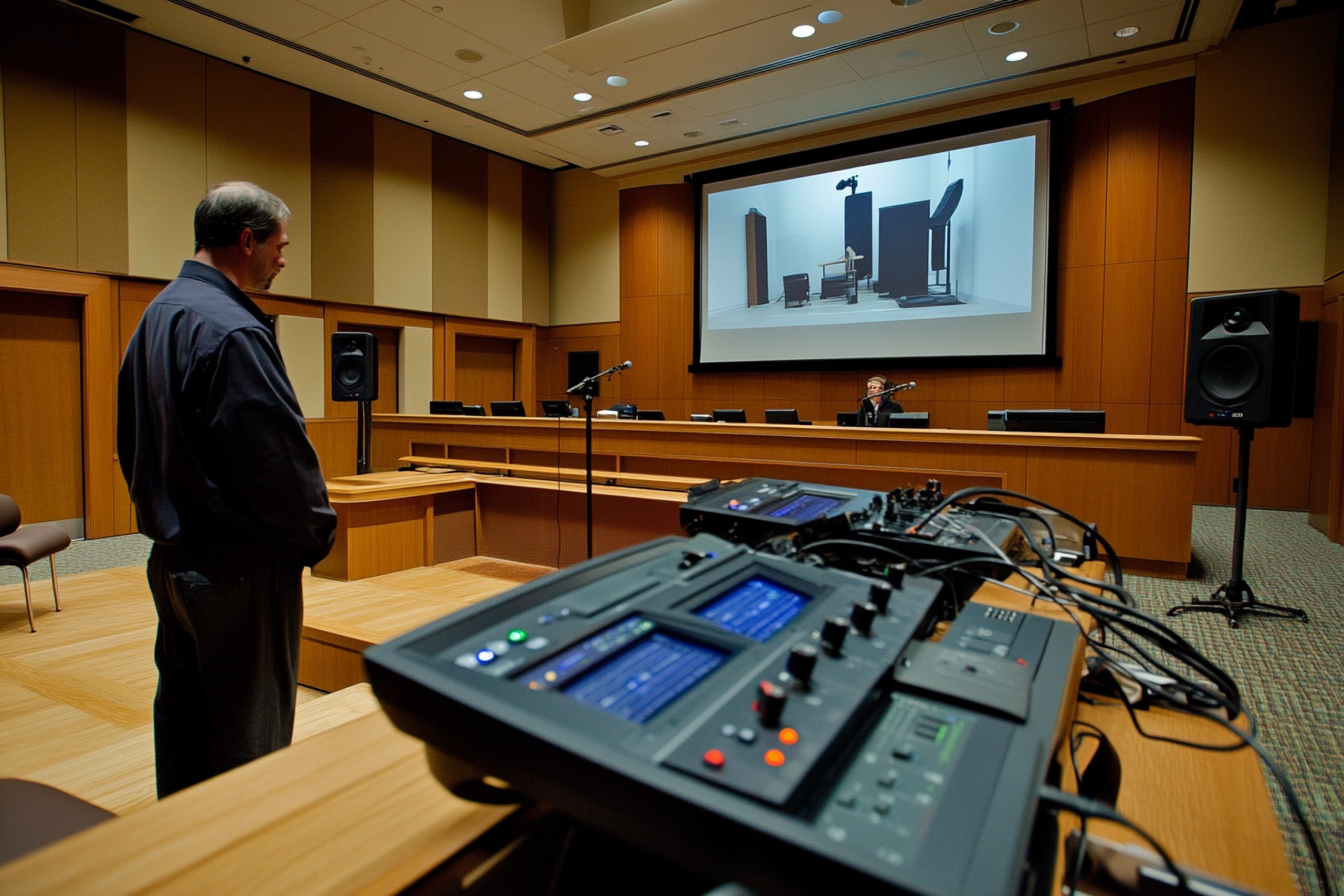
These installations allow for the seamless presentation of digital evidence, ensuring that every juror and legal professional can view important details without obstruction. By integrating sophisticated multimedia/audiovisual solutions, judicial facilities can maintain a high-performance environment where every spoken word is captured and every piece of evidence is displayed with absolute precision.
The Growing Role of Technology in Courtrooms
Legal proceedings involve complex information that must be communicated clearly. Attorneys may present documents, photographs, surveillance footage, or expert testimony as part of a case. Without proper technology, presenting this information to jurors and court officials can become difficult.
Modern audiovisual systems allow courtrooms to display digital evidence on large monitors or projection screens. Attorneys can present visual information directly from computers or document cameras while maintaining clear visibility for jurors and the judge.
This technology improves understanding during trials because everyone in the courtroom can review the same information simultaneously. Instead of passing physical documents across the courtroom, digital displays allow participants to view evidence in real time. Courtroom technology also helps reduce delays by allowing attorneys to organize and present materials more efficiently.
Supporting Clear Communication During Proceedings
Sound clarity plays a vital role in courtroom environments. Judges, attorneys, witnesses, and jurors must be able to hear testimony and legal arguments without interference or distortion.
Courtrooms often rely on specialized audio systems that distribute sound evenly throughout the space. Microphones placed at witness stands, attorney tables, and the judge’s bench capture voices clearly, while speakers deliver balanced sound throughout the room.
These audio systems help prevent misunderstandings during testimony. Every participant in the courtroom can hear proceedings clearly, which supports accurate interpretation of statements and evidence. High-quality courtroom AV technology ensures that both spoken testimony and recorded audio evidence remain clear and understandable.
Enhancing Evidence Presentation
Modern legal cases often involve digital evidence such as emails, photographs, security footage, or recorded interviews. Presenting this information clearly is essential for jurors who must evaluate the details of each case.
Audiovisual display systems allow attorneys to present evidence through large screens or courtroom monitors. Jurors can review documents or video clips in detail without struggling to see small images or distant screens.
Some courtrooms also use document cameras that allow attorneys to display physical evidence in real time. This technology allows participants to examine documents or objects while maintaining a clear visual record of the evidence. These capabilities support more efficient courtroom presentations and help ensure that jurors can review evidence thoroughly.
Facilitating Remote Testimony and Hybrid Proceedings
The rise of remote participation has fundamentally changed how courtrooms operate. Integrated technology allows witnesses or experts to testify from different geographic locations without the logistical burden of travel. This capability is supported by secure video conferencing systems that must be reliable and easy to operate for the court staff.
Alliance Telecommunications Contractors Inc tailors the design and installation process to meet operational needs. Our team acts as a single, accountable partner for everything, including structured cabling and network infrastructure. We leverage long-standing industry experience to design systems where remote and in-person participation feel integrated, supporting the court’s functional needs and long-term technology goals.
Recording and Documentation of Court Proceedings
Courtrooms must maintain accurate records of legal proceedings. Traditionally, court reporters captured testimony through stenography, but modern audiovisual technology often supports digital recording systems as well.
Integrated recording systems capture both audio and video during proceedings. These recordings create a reliable record of courtroom activity that can be reviewed later if necessary.
Recording technology also supports transparency by allowing legal professionals to review testimony and evidence presentations in detail. These records may become important during appeals or case reviews.
Supporting Privacy and Security in Judicial Technology
Security is a paramount concern in any legal environment, and the technology used within the courtroom must reflect this. Professional integrations include features such as sidebar audio masking and private monitors for the judge, which prevent sensitive conversations from being overheard by the public or recorded in the official transcript.
These specialized security systems are integrated into the broader low-voltage scope, ensuring that the data remains protected against unauthorized access. By providing a secure and trustworthy environment, these systems allow the court to conduct business with confidence, maintaining the integrity of the proceedings at all times.
Advancing Judicial Efficiency Through Technology
The transition to a fully integrated digital environment is a significant step toward a more transparent and effective legal system. By prioritizing clarity, security, and ease of use, modern courtrooms can better serve the needs of the public and the legal profession alike.
Building a high-performance legal environment requires a partner who understands the unique demands of the judicial sector. Our team delivers tailored technology solutions that align with your facility’s requirements and security protocols. Reach out to learn about our professional integrated audiovisual and security service and how we can help you meet the unique requirements of your courtroom technology project.