

An Essential Guide To Structured Cabling Design For Businesses
Structured cabling design forms the backbone of any good business network. A well-planned system helps support every device, connection, and communication channel, making sure they function properly from the outset, and preventing future operational headaches.
Businesses that want to optimize their data network infrastructures always rely on professional design to avoid costly mistakes and downtime.
What is Structured Cabling Design?
Structured cabling design refers to the process of planning and implementing a standardized cabling system that organizes all network connections.
Unlike ad hoc installations, a structured design provides a clear, scalable framework that supports current technology and accommodates future growth.
This approach simplifies network management and reduces the risk of performance issues caused by poorly organized or incompatible connections. Every cable, outlet, and patch panel is placed with purpose for optimal performance throughout the entire facility.
Basic Components of a Strong Design
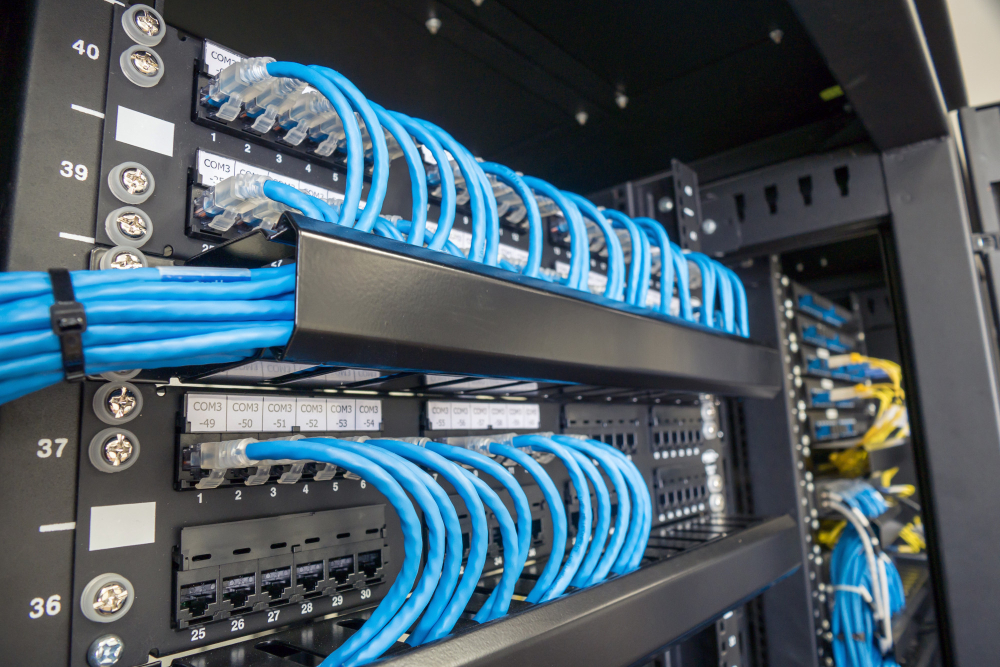
Effective structured cabling design considers multiple elements, including horizontal cabling, backbone cabling, patch panels, and network outlets. Each component plays a part in maintaining consistent signal quality and minimizing interference.
By carefully mapping pathways and connection points, technicians can create a system that supports multiple types of devices and applications without requiring frequent modifications. This careful planning helps businesses avoid unnecessary costs and network disruptions.
Supporting Business Operations
A structured cabling system is more than just wires; it directly impacts daily business operations. Reliable connectivity allows employees to collaborate efficiently, access major applications, and maintain easy communication.
Professional structured cabling design helps make certain that all devices and platforms are connected correctly, providing the basis for both operational efficiency and technological growth.
This is particularly important when applying advanced security solutions, which depend on consistent and reliable network performance.
Scalability and Futureproofing
Thriving businesses constantly change with the times, and so do their technology requirements. A properly designed cabling system accommodates future expansion, whether adding new devices, increasing data capacity, or upgrading network equipment.
Structured cabling design allows facilities to adapt without major disruptions. Planning with scalability in mind reduces downtime during expansions and helps the infrastructure continue to meet operational needs as the business grows.
Simplifying Maintenance and Troubleshooting
One of the biggest advantages of structured cabling design is simplified maintenance. When a system is clearly organized and documented, identifying problems becomes faster and more accurate.
Technicians can trace connections, locate faults, and resolve issues quickly and easily. This organized approach reduces operational interruptions and supports long-term network reliability.
Access to 24/7 support further guarantees that any unexpected issues are dealt with promptly, maintaining smooth operations at all times.
Increasing Operational Efficiency
Structured cabling design does more than connect devices; it creates an environment where technology and business processes work in harmony. A well-implemented system improves data flow, reduces latency, and supports reliable communication between departments.
Businesses benefit from a network that is easier to manage, more responsive, and capable of supporting multiple applications simultaneously. By investing in a professional cabling design, organizations achieve a balance of efficiency, reliability, and adaptability.
Combining Multiple Systems
Modern workplaces rely on more than just computers and phones. Audio-visual equipment, building controls, and security systems all depend on a strong underlying network.
A thoughtful structured cabling design connects all systems in a way that allows them to function perfectly together. This approach prevents operational disruptions and keeps technologies running effectively.
Protecting Network Investments
Network infrastructure represents a distinct financial and operational investment. Poorly designed cabling can lead to frequent repairs, unplanned downtime, and reduced equipment lifespan.
Professional structured cabling design safeguards this investment by delivering a system that is reliable, organized, and adaptable. Businesses can maximize the value of their technology assets while minimizing future costs associated with network failures or rework.
Reliable Audiovisual Solutions That Perform
A solid structured cabling design is also necessary for high-performance audiovisual solutions.
When infrastructure is planned and used correctly, AV systems perform consistently, providing clear communication, video conferencing capabilities, and smooth use with other technologies.
By combining precision installation with careful design, organizations gain confidence that their AV systems will function reliably across multiple rooms, floors, or locations. Our approach helps deliver audiovisual solutions that are dependable, scalable, and customized to operational needs.
A Basis for Growth and Efficiency
Investing in a professional structured cabling design provides businesses with a strong platform for all network-connected technologies.
From day-to-day communication to complex system integration, a well-designed cabling framework boosts operational efficiency, supports growth, and safeguards serious technology investments.
By relying on expert design, businesses can achieve reliable, high-performance networks that support audiovisual solutions and other systems with confidence.
Structured cabling design creates networks that are organized, resilient, and ready to meet changing technology demands, while professional assistance supports long-term reliability and operational success.