

7 Effective Intrusion Detection Methods For Businesses
Quick Summary
A strong business security plan uses connected detection, verification, and response tools to identify unauthorized activity before it grows into a larger issue. Contact sensors, motion detection, glass break detection, access control alerts, video analytics, perimeter protection, and managed monitoring each support a different layer of facility security. When these systems work together, your team gains clearer alerts, better context, and a more reliable way to protect people, property, and operations.
Unauthorized access can disrupt operations, expose sensitive areas, and create safety concerns before anyone notices a problem. For businesses, the right intrusion detection methods can help identify suspicious activity early, verify potential threats, and support a faster response. Your building may include offices, storage rooms, server spaces, classrooms, treatment areas, loading docks, or public entry points, and each area may need a different layer of protection. A stronger security plan starts with understanding how these methods work together across your facility.
Let’s look at the options that can support safer business environments.
Door and Window Contact Sensors
Every entry point creates a potential path for unauthorized access, so contact sensors give businesses a clear way to monitor openings. These devices detect when a protected door, window, cabinet, gate, or restricted room is opened outside normal conditions. They are useful for offices, storage areas, server rooms, medical spaces, school facilities, and exterior access points. A well planned layout can separate public entrances from sensitive zones, which helps teams respond with more context. Contact sensors also work well with alarms, access control, and video surveillance. With proper placement, they provide an early signal before a small access concern turns into a larger security event.
Motion Detection Sensors
After business hours, movement inside a space can be one of the clearest signs that something needs attention. Motion detection sensors identify activity in hallways, lobbies, offices, warehouses, stockrooms, and other zones that should remain quiet during scheduled periods. Placement has a major effect on performance, especially around glass, vents, machinery, and high traffic areas. Poor coverage can leave gaps, while overly sensitive placement can create nuisance alarms. A professional security plan considers room layout, ceiling height, entry paths, and normal facility patterns. When connected with cameras or access control, these sensors help security teams understand where movement occurred and what response is needed next.
Glass Break Detection
Ground floor locations, storefronts, and buildings with large interior glass need protection that reacts before an intruder moves deeper inside. Glass break detection listens for the acoustic pattern of breaking glass or senses vibration near protected panes. This method is useful for retail spaces, schools, healthcare offices, commercial lobbies, and facilities with exposed windows or glass doors. It can add another layer when contact sensors only report that an opening has changed position. Proper setup helps match the sensor type to the room size, glass style, and surrounding noise conditions. Combined with alarms and video verification, it helps teams review the event with better context.
Access Control Alerts
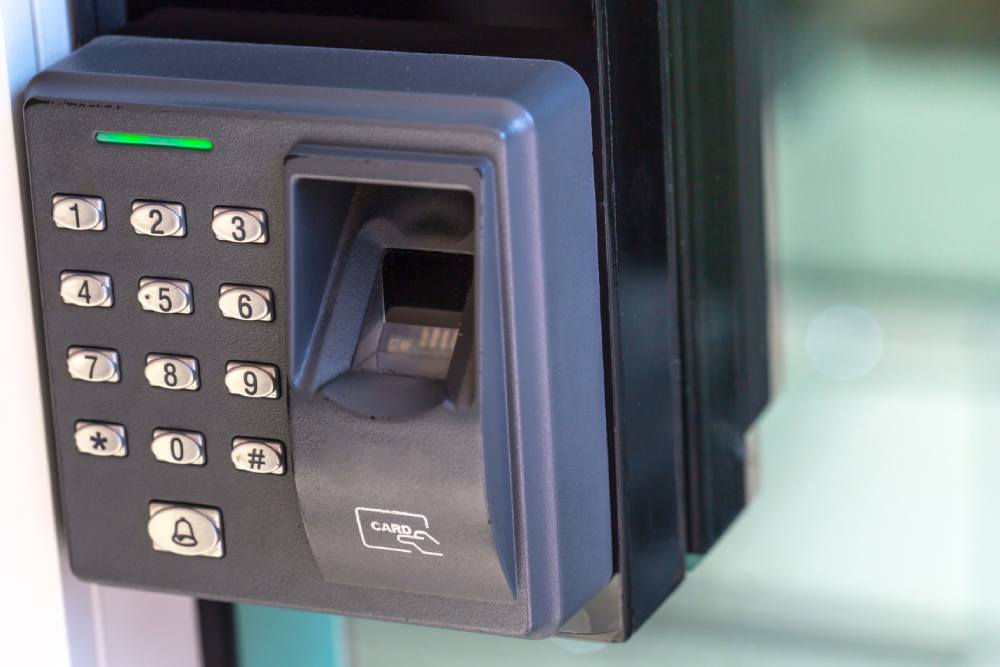
Restricted doors and credentialed entries can tell a security team far more than who entered a building. Access control alerts can flag forced doors, repeated failed badge attempts, propped doors, and entry attempts outside approved schedules. These signals are valuable for offices, labs, healthcare areas, schools, data rooms, and storage spaces with limited access permissions. A well designed system can connect each alert to a location, user record, time stamp, and related camera view. That connection helps teams review unusual activity with a clearer timeline. It also supports stronger accountability across employees, vendors, visitors, and contractors who move through your facility each day without slowing approved access during normal operations.
Video Surveillance with Smart Analytics
A clear visual record can turn an alert into useful security information. Modern surveillance systems can detect motion, unusual presence, loitering, vehicle activity, or movement in restricted areas. Smart analytics help filter routine activity from events that need attention, which can reduce unnecessary alarms and support faster review. Cameras are especially valuable near entrances, parking areas, lobbies, corridors, loading docks, and high value spaces. Proper camera placement should consider viewing angles, lighting, network capacity, recording needs, and privacy expectations. When video is connected with access control and intrusion alarms, your team can compare sensor activity with recorded footage and respond with better confidence during active events or after an incident review.
Perimeter Intrusion Detection
Security should begin before someone reaches a door, window, or interior hallway. Perimeter intrusion detection focuses on exterior areas such as fences, gates, parking lots, yards, loading docks, and building approaches. These systems may use outdoor cameras, gate contacts, fence sensors, radar, thermal detection, or monitored entry points to identify activity around the property boundary. This method is useful for warehouses, industrial sites, schools, healthcare campuses, and commercial facilities with outdoor areas. Design quality is important, since weather, lighting, animals, traffic, and site layout can affect performance. A layered exterior plan gives your team more time to verify activity before the threat reaches protected spaces.
Integrated Alarm Monitoring and Managed Support
A fast alert is only useful when it reaches the right people with clear information. Integrated alarm monitoring connects sensors, access control, video, and notification workflows so security activity can be reviewed and routed quickly. Managed support keeps those systems operating through testing, maintenance, software updates, documentation, and troubleshooting. This approach is helpful for businesses with multiple doors, shifts, departments, or locations. It also supports cleaner handoffs between internal teams, security personnel, and response contacts. When monitoring and support are planned together, your intrusion system becomes easier to manage, easier to review, and more reliable without adding confusion during active security incidents across your facility.
Turn Security Alerts into Faster, Smarter Protection
Strong facility protection works best when detection, verification, and response are planned as one system. Sensors, cameras, access control, perimeter tools, and monitoring should support each other instead of creating separate alerts with limited context. That connected approach helps your team identify unusual activity earlier, review events with more clarity, and keep daily operations moving with less confusion.
At Alliance Telecommunications, we help businesses design, install, integrate, and maintain security systems that fit real facilities. Our team can manage the full low voltage scope, including structured cabling, audiovisual integration, intrusion detection, access control, video surveillance, and managed services. We focus on quality standards, reliable support, and practical system design for commercial, industrial, healthcare, and educational environments.
Reach out to us to discuss a security system that supports your building, your people, and your operations. We can help you create a connected plan with professional installation and dependable support.
FAQs
A business intrusion detection system uses sensors, cameras, access control alerts, and monitoring tools to identify unauthorized activity. It can detect opened doors, indoor movement, broken glass, perimeter activity, or unusual access attempts. Strong systems connect these alerts so your team can review events with clearer context and respond faster.
Higher risk areas usually include exterior doors, windows, reception points, storage rooms, server rooms, loading docks, parking areas, and restricted interior spaces. A facility assessment can help match detection tools to each area. For example, a glass entry may need a different layer than a warehouse gate or credentialed data room.
Connected systems give your team more useful information during a security event. An alarm may show that something happened, while video and access records can show where it happened, who may have been nearby, and what response is appropriate. Integration helps reduce confusion and supports faster review across your facility.