

How Access Control Integration Improves Workplace Safety
Quick Summary
Access control integration connects entry systems with broader building technology to create safer, more controlled workplaces. Here, we’ll explain how integrated systems improve awareness, reduce risk, and support consistent safety across commercial environments.
Access control integration transforms how businesses manage safety by connecting entry systems with surveillance, alarms, and communication platforms. This connected approach strengthens visibility while creating a more controlled workplace environment.
Organizations can begin by identifying which kind of access control fits their needs based on facility size, workforce structure, and security priorities. Choosing the right system sets the groundwork for effective integration across all connected technologies.
Reliable 24/7 support keeps integrated systems functioning without interruption. Continuous oversight makes certain that each connected component remains active and responsive at all times.
Modern security solutions rely on integration to unify multiple systems into one coordinated framework. This allows businesses to monitor activity, control access, and respond to events through a centralized platform.
The need for security maintenance becomes clear once systems are connected. Ongoing monitoring and updates keep every component lined up, reducing the chance of performance issues or system gaps.
Connecting Systems for Stronger Workplace Control
Access control coordination links entry points with other security technologies. Instead of operating independently, systems share information and respond together.
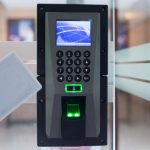
When a credential is used at an entry point, the system can trigger related actions. Cameras can capture footage, alarms can monitor activity, and records can be stored for review.
This connection creates a more structured environment. Businesses gain greater control over how individuals move through the facility while maintaining clear oversight of each interaction.
Connected systems also reduce blind spots. Activity is no longer isolated to a single device but becomes part of a larger, linked network.
Improving Real-Time Awareness
Unified access control systems provide immediate insight into workplace activity. Administrators can view entry events as they occur and respond quickly to irregular behavior.
If an unauthorized access attempt is detected, the system can generate alerts and activate related security measures. This rapid response helps prevent incidents from escalating.
Centralized dashboards simplify monitoring. Businesses can oversee multiple entry points and locations through a single interface, improving efficiency and awareness.
Real-time visibility supports faster decision-making. Security teams can act based on current information rather than relying on delayed reports.
Supporting Safer Employee Environments
Workplace safety depends on controlled access and clear visibility. Connected systems help create an environment where employees feel protected throughout the workday.
Access restrictions prevent unauthorized individuals from entering sensitive areas. This reduces the likelihood of workplace disruptions or safety concerns.
Emergency response becomes more coordinated with integrated systems. Entry points can be secured or opened based on the situation, allowing for controlled movement during important events.
Visitor access is also easier to manage. Temporary credentials can be issued and monitored without affecting permanent access settings.
Strengthening Incident Response Capabilities
Access control system linking improves how businesses respond to security events. Systems can be configured to react automatically when specific conditions are met.
For example, repeated unauthorized attempts may trigger alerts or activate additional monitoring. These responses occur without delay, reducing reliance on manual intervention.
Connected systems also support investigation efforts. Activity logs and recorded footage provide a detailed record of events, helping businesses review incidents accurately.
This level of coordination allows for faster resolution and improved accountability.
Reducing Security Gaps Across Facilities
Standalone systems can create gaps in coverage. Access control integration closes these gaps by connecting all relevant technologies.
Each system contributes to a unified approach. Entry control, surveillance, and monitoring work together to create consistent protection across the facility.
Businesses with multiple locations benefit from this structure. Standardized system coordination allows for consistent security practices across different sites.
Reducing gaps improves overall safety. Every entry point and system becomes part of a coordinated effort.
Boosting Operational Efficiency
Unified systems simplify daily operations. Administrators can manage access, monitor activity, and review reports from a single platform.
This reduces the need for multiple systems and separate processes. Businesses save time while maintaining stronger control over their environment.
Automation also supports efficiency. Routine tasks such as access updates or alert notifications can be handled without manual input.
Simplified management allows teams to focus on broader responsibilities while maintaining consistent security oversight.
Adapting to Changing Workplace Needs
Workplaces change with time, and unified systems must adapt to those changes. Access control coordination supports flexibility by allowing updates without major disruption.
New employees, departments, or locations can be added to the system with updated permissions. Integration makes sure that these changes apply across all connected technologies.
System adjustments can be made quickly. Businesses can respond to operational changes without compromising safety or control.
This adaptability supports long-term growth while maintaining consistent security standards.
Supporting Compliance and Accountability
Many industries require strict control over access and activity. Connected systems help businesses meet these expectations through detailed recordkeeping.
Access logs track entry events, while these systems provide additional context through video or alerts. This information supports audits and internal reviews.
Accountability improves when activity is recorded and accessible. Businesses can verify access history and deal with concerns with accurate data.
Compliance requirements differ by industry, but integrated systems support a structured approach to meeting those standards.
The Value of Professional Integration
Access control system coordination requires careful planning and execution. Each system must be configured to work with others without creating conflicts.
Professional installation ensures that connections are reliable and that systems operate as intended. Incorrect setup can lead to gaps or inconsistent performance.
Ongoing management supports long-term success. Unified systems require monitoring and updates to maintain alignment across all components.
Working with experienced providers helps businesses achieve a stable and effective security environment.
A Better Way to Protect Your Workplace
At Alliance Telecommunications, we design and implement coordinated access control systems that are in keeping with how businesses operate in real environments.
We manage cabling, security, and system connections under one scope, creating a unified infrastructure that eliminates confusion and supports consistent performance across every access point.
We focus on building dependable systems that support workplace safety without adding unnecessary complexity. Our team works across commercial, industrial, healthcare, and educational sectors, delivering solutions that remain reliable as organizations grow and change.
If you have any questions about Alliance Telecommunications or want to improve workplace safety through integrated systems, please reach out to us today.
FAQs
Yes. Many systems can be connected to existing infrastructure, allowing businesses to improve functionality without replacing all equipment.
System unification centralizes control, allowing administrators to manage multiple systems from one platform, which improves efficiency and oversight.
Yes. System connectivity can be scaled to fit smaller environments while still providing improved safety and control.