

The Advantages Of Combining Access Control With Video Surveillance
Quick Summary
Access control and video surveillance address different aspects of facility protection, but combining these technologies creates a more coordinated security environment. Access systems regulate who can enter designated areas, while cameras capture visual information about activity around those locations. When these technologies work together, organizations can connect access events with video evidence, improve situational awareness, and simplify security monitoring.
Commercial facilities need security systems that can address unauthorized entry while also helping personnel understand what happens around protected areas. Video surveillance integration connects camera systems with access control technologies, so organizations can associate entry events with visual information. This combination can create greater visibility around entrances, restricted rooms, employee areas, and other locations requiring controlled access.
Access control determines who can enter specific spaces, while surveillance cameras capture activity before, during, and after an access event. Combining these capabilities creates a broader view of facility activity instead of relying on one technology alone.
Our approach considers how these systems can work together within the existing low-voltage environment and operational requirements.
How Access Control and Video Surveillance Work Together
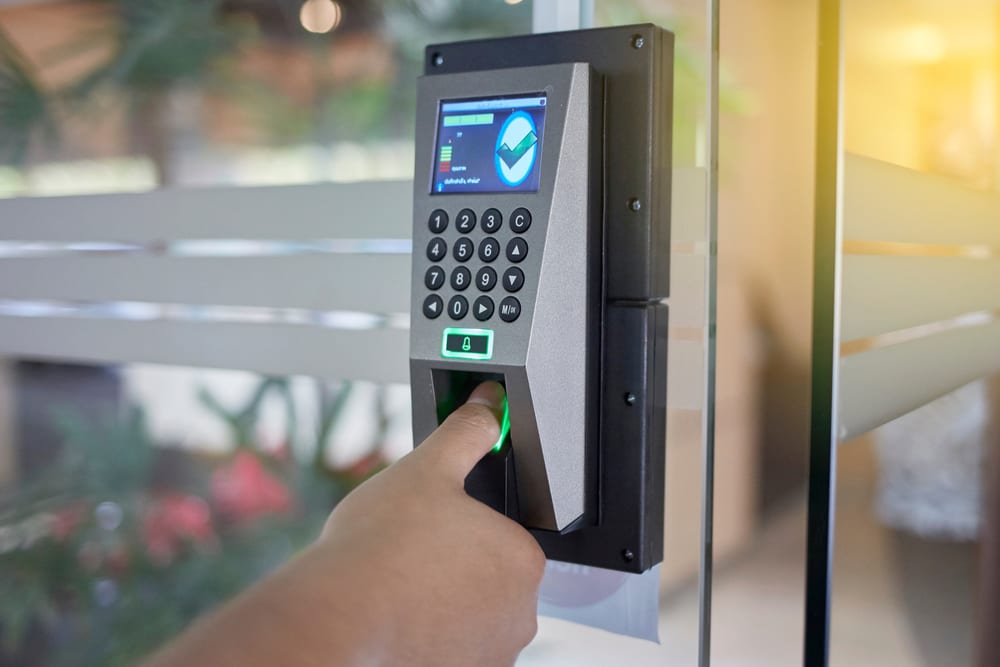
Access control systems use credentials such as cards, key fobs, mobile devices, or biometric identifiers to regulate entry into designated areas.
When someone presents a credential, the system records information about the event, including the access location and time. This creates a digital record that helps organizations understand who entered a specific area.
Video surveillance adds visual context to access records by capturing activity around monitored locations. When both systems communicate effectively, personnel can review relevant footage alongside access information to better understand an event. This makes it easier to separate routine activity from unusual situations and investigate incidents using information from multiple sources.
Key Benefits of Integrated Security Technology
Combining access control with surveillance improves visibility across a facility because security personnel can associate physical entry activity with corresponding video footage. This added context can be valuable when investigating unauthorized access, unusual movement, property damage, or other incidents.
Instead of reviewing security information separately, personnel can examine connected events through a more organized system.
Integrated systems can also help organizations manage security across multiple entrances, restricted areas, offices, warehouses, and other locations. Centralized monitoring can make it easier to review activity and identify patterns that may require additional attention. For businesses with complex facilities, coordinated security solutions can create a more organized approach to monitoring and managing access throughout the property.
Improving Incident Investigation and Response
When an access event raises concern, video footage can help establish what happened around the time of the incident. Security personnel can review associated footage, identify individuals or activities, and compare visual information with recorded access credentials. The combination creates a clearer timeline for investigating incidents and determining appropriate next steps.
Integrated technology can improve response awareness because security personnel gain additional context before addressing an event. Understanding the location, access activity, and surrounding visual information helps personnel make more informed decisions.
This approach is particularly valuable for facilities with restricted areas where unauthorized access could create safety, operational, or property concerns.
Designing a Connected Security Environment
Successful integration begins with understanding the facility, access requirements, camera coverage, network infrastructure, and operational procedures.
Camera placement should account for entrances, exits, restricted areas, and other locations where visual information can complement access records. Access control configurations should also reflect how employees, visitors, contractors, and authorized personnel move throughout the property.
Our low-voltage expertise allows access control, surveillance, cabling, and related technologies to be considered together during project planning. Coordinating these systems helps create compatible connections and organized infrastructure while accounting for future changes. A thoughtful design creates an environment that is easier to manage while aligning with the organization’s broader facility security objectives.
Video surveillance integration requires careful planning around system compatibility, camera placement, access requirements, and operational workflows. A connected security environment helps organizations create stronger visibility across their facilities while maintaining a practical approach to daily security management.
Creating a More Connected Approach to Security
Access control and video surveillance each serve valuable purposes, but their combined capabilities can create a more informed security environment. Linking entry records with visual information can improve awareness, simplify investigations, and help organizations understand activity around protected areas with greater context.
Alliance Telecommunications Contractors Inc can manage security projects alongside structured cabling, audiovisual, and other low-voltage requirements from design through installation. Request a quote to discuss your facility, access requirements, surveillance needs, and goals for a coordinated security environment.
FAQs
Combining both systems connects entry records with visual information, creating greater context for monitoring, investigating, and responding to security events.
Yes, properly designed systems can connect access points and cameras across multiple areas, buildings, entrances, and restricted locations.
Integrated systems can help personnel compare access records with relevant footage, making incident timelines easier to understand and investigate.
Businesses should consider camera coverage, access requirements, network infrastructure, system compatibility, facility layout, operational procedures, and future expansion.