

Understanding Audio-Visual Rooms: A Guide
Quick Summary
Audio-visual rooms shape how organizations communicate, present information, and collaborate across teams. Well-designed environments support clear sound, sharp visuals, and dependable system performance. Businesses that invest in properly built AV spaces gain stronger communication, fewer disruptions, and a more professional setting for meetings, training, and client interactions.
The AV room meaning goes far beyond a space with screens and speakers. It refers to a purpose-built environment designed to support clear communication through coordinated audio and visual technology.
These rooms are structured to deliver consistent performance for meetings, presentations, and collaboration across professional settings.
Companies rely on AV rooms to support daily operations. From executive discussions to large-scale presentations, these spaces help teams exchange ideas without technical distractions.
When properly designed, they become a reliable part of the workplace rather than a source of frustration.
What Defines an AV Room
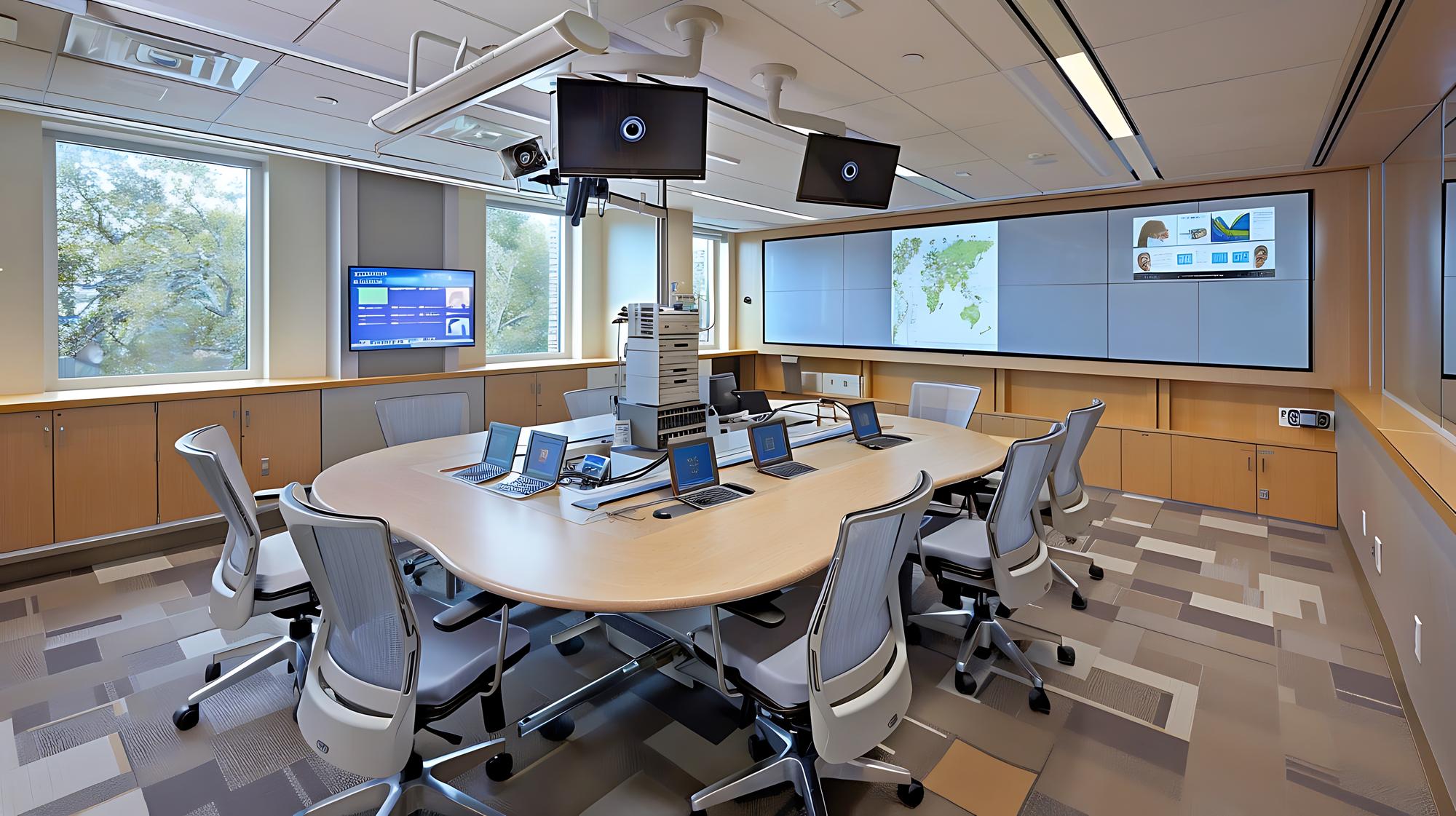
An AV room combines display technology, sound distribution, and control systems into one coordinated setup. Each element works together to support communication without delays or confusion.
The layout of the room, placement of equipment, and acoustic considerations all contribute to how well the system performs.
Unlike standard meeting rooms, AV spaces are built with intention. Screen positioning allows every participant to view content clearly. Speaker placement supports even sound distribution across the room.
Control systems simplify operation so users can start meetings without technical barriers.
Modern multimedia/audiovisual solutions expand these capabilities. They support video conferencing, wireless presentations, and connection with collaboration platforms. This allows teams to connect with remote participants as easily as those in the room.
Why Businesses Invest in AV Rooms
Organizations depend on effective communication to operate efficiently. Poor sound quality or unclear visuals can disrupt meetings and slow progress. AV rooms tackle these challenges head on by delivering consistent performance across every interaction.
Corporate teams use these spaces for internal meetings, training sessions, and client presentations. Each use case requires dependable technology that works without delay.
When systems function properly, employees can focus on their objectives instead of troubleshooting equipment.
AV rooms also support brand image. Clients and partners often experience these spaces during presentations or discussions. A well-functioning space reflects professionalism and attention to detail.
The Importance of Sound Clarity
Audio quality has a direct impact on communication. If participants struggle to hear, meetings lose focus and efficiency declines. Clear sound allows conversations to flow naturally, even in larger spaces.
Professionally installed audio systems distribute sound evenly throughout the room. This prevents issues such as echo, feedback, or uneven volume levels. Every participant hears the same level of clarity, regardless of where they are seated.
Sound design also considers the physical setting. Room size, materials, and layout influence how audio travels. Without proper planning, these can reduce clarity and create distractions during meetings.
How Audio System Design Shapes Performance
Effective audio systems designs account for both technology and environment. Equipment selection is only one part of the process. Placement, calibration, and system tuning determine how well the setup performs in real-world conditions.
Engineered designs focus on balancing sound across the entire room. Speakers are positioned to eliminate dead zones, while microphones capture voices without distortion. These details make a difference in meeting quality.
Poorly planned systems may appear functional at first but fail under regular use. Inconsistent audio creates frustration and limits productivity. Professional design avoids these issues by tending to them before installation.
Visual Technology and Its Impact
Clear visuals are just as important as sound. Presentations, data sharing, and video conferencing rely on displays that deliver sharp, accurate images. Poor resolution or improper placement can make content difficult to follow.
AV rooms use high-quality displays positioned for optimal viewing angles. This allows participants to interact with content without straining to see details. In larger rooms, multiple displays may be used to maintain visibility across all seating areas.
Visual systems also support smooth transitions between content sources. Presenters can switch between slides, videos, and live feeds without delays. This keeps meetings on track and maintains audience attention.
Simplifying User Experience
Technology should support productivity, not complicate it. AV rooms are designed with user-friendly controls that allow employees to operate systems without technical expertise. Simple interfaces reduce the need for IT support during meetings.
Centralized control systems manage displays, audio, and conferencing tools from a single interface. Users can start meetings, adjust volume, and share content with minimal effort. This consistency improves efficiency across the organization.
When systems are difficult to use, employees may avoid them or waste time trying to operate them. A well-designed AV room removes these obstacles and supports smooth communication.
Supporting Hybrid and Remote Collaboration
Workplaces have changed. Teams often work from different locations and need technology that supports both in-person and remote participation. AV rooms are part of that shift.
Video conferencing systems connect teams in real time, allowing remote employees to participate fully in discussions. Clear audio and high-quality video create a balanced experience for everyone involved.
Without proper AV infrastructure, remote participants may struggle to hear or see content. This leads to disengagement and communication gaps. Professionally built rooms eliminate these issues by supporting reliable connections.
Reliability and Ongoing Support
Technology requires ongoing attention to maintain performance. AV systems are no different. Regular monitoring and maintenance help prevent issues before they disrupt operations.
Access to 24/7 support allows businesses to respond quickly when problems arise. Technical teams can tackle concerns without long delays, keeping meetings and presentations on schedule.
Consistent support also extends the lifespan of AV systems. Routine updates and maintenance keep equipment functioning at a high level, reducing the need for frequent replacements.
Long-Term Value of Professional AV Rooms
Investing in a professionally designed AV room delivers long-term benefits. Businesses gain reliable communication tools that support daily operations and future growth. These systems adapt to changing needs without requiring constant reconfiguration.
Professional installation also reduces hidden costs. Systems are built to function correctly from the start, minimizing repairs and downtime. This leads to better efficiency and lower operational expenses over time.
Organizations that prioritize AV infrastructure create spaces where communication flows more easily. Employees collaborate better, and meetings produce improved results.
Work With a Team That Builds AV Environments for Performance
We design and install AV rooms that support real business operations. Our team evaluates how your organization communicates and builds systems that match those needs. From sound clarity to visual performance, every detail is handled with precision.
We manage the full process, from initial planning to final installation and ongoing support. Our experience across audiovisual systems, structured cabling, and technology infrastructure allows us to deliver reliable solutions that perform day after day.
If you have any questions about Alliance Telecommunications or want to check out AV room solutions for your business, please reach out to us today.
FAQs
A standard meeting room may include basic equipment, while an AV room is designed for consistent audio and visual performance. It includes coordinated systems that support communication without technical issues.
Yes. Professionally designed systems allow for future expansion. Additional features and updated technology can be incorporated without replacing the entire setup.
Project timelines differ based on room size, system complexity, and existing infrastructure. A professional assessment determines the scope and schedule for installation.