

A Guide To Access Control Installation For Businesses
Quick Summary
Access control systems shape how businesses manage entry, protect assets, and maintain operational oversight. This guide explains how professional installation supports long-term security, consistent performance, and scalable infrastructure.
Access control installation is one of the most effective ways to establish structured entry management across commercial environments. Businesses that rely on controlled access gain stronger protection, better visibility, and improved operational control from day one.
Your organization can begin by evaluating which kind of access control suits you based on facility size, workforce structure, and security expectations. Selecting the right system early helps avoid limitations as the business grows or changes.
Reliable 24/7 support means that access systems will remain active and monitored at all times. Continuous oversight reduces downtime and keeps entry points functioning without interruption.
Modern security solutions combine access control with monitoring and system integration. This approach allows businesses to manage entry, track movement, and maintain awareness through a single platform.
Understanding the benefits of managed services allows organizations to maintain system performance without placing additional strain on internal resources. Ongoing management keeps access control systems aligned with daily operations.
Planning an Effective Access Control System
A successful installation begins with a clear picture of the facility layout and access requirements. Each entry point serves a different function, which means access permissions must reflect how the space is used.
Businesses often require multiple levels of access across offices, storage areas, and restricted zones. Mapping these zones helps determine where control points should be placed and how credentials should be assigned.
Traffic flow also affects system design. High-traffic entrances require fast, reliable access methods, while sensitive areas may require additional authentication measures.
Future growth should also be considered during planning. Systems designed with scalability in mind allow businesses to expand without replacing existing infrastructure.
Selecting the Right Access Technology
Access control systems differ based on how credentials are verified. Keycards, mobile access, biometric scanning, and PIN-based entry each offer different advantages depending on the environment.
Keycard systems remain popular due to ease of use and cost efficiency. Mobile access adds convenience by allowing employees to use their devices instead of physical credentials.
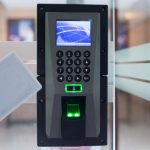
Biometric systems provide a higher level of control by verifying unique physical traits. This method reduces the risk of credential sharing or duplication.
The choice of technology should align with security expectations and operational needs. Businesses benefit from systems that balance convenience with control.
Installing Hardware and Infrastructure
Access control installation involves more than placing card readers at entry points. The system must connect with cabling, power sources, and network infrastructure to function properly.
Door hardware, locking mechanisms, and control panels must be installed with precision. Each component must work together for reliable operation across the entire system.
Structured cabling supports communication between devices. Without proper cabling, systems may experience delays, interruptions, or limited functionality.
Professional installation helps make certain that all components are lined up and configured correctly. This reduces the risk of performance issues after the system goes live.
Configuring Access Permissions and Controls
Once the physical system is in place, access permissions must be defined. Each user receives credentials based on their responsibilities and required level of access.
Permissions can be assigned to individuals or groups. This approach simplifies management while maintaining structured control across departments.
Time-based access adds another layer of security. Employees can be granted entry only during specific hours, reducing exposure outside of normal operations.
Administrative controls allow businesses to adjust permissions quickly. Changes can be made without physical modifications, supporting flexibility as needs change.
Integrating Access Control With Other Systems
Access control becomes more effective when connected with other building systems. System linking allows businesses to create a unified environment where multiple technologies work together.
Surveillance systems can be linked to access points, providing visual verification of entry events. Alarm systems can trigger alerts when unauthorized access attempts occur.
Communication systems can also be connected, allowing for coordinated responses during security events. This level of system connection strengthens overall protection.
Centralized platforms make it easier to manage these connections. Businesses gain visibility into multiple systems through a single interface, improving efficiency and oversight.
Maintaining System Performance Over Time
Access control systems require ongoing attention to remain effective. Regular updates and monitoring keep systems in line with current security standards and operational needs.
Software updates help maintain compatibility and performance. Hardware inspections make sure that components continue to function as expected.
Managed oversight allows businesses to maintain consistent performance without dedicating internal resources to system management. This approach supports reliability over the long term.
Consistent maintenance reduces the risk of unexpected failures. Businesses benefit from systems that remain dependable under daily use.
Avoiding Common Installation Challenges
Improper installation can lead to gaps in security or system inefficiencies. Poor placement of access points, incorrect wiring, or incomplete configuration can limit system effectiveness.
Overlooking future expansion can also create challenges. Systems that cannot scale easily may require costly upgrades or replacements later.
Inconsistent access policies can weaken control. Clear structure is necessary to maintain security across all areas of the facility.
Working with experienced professionals helps avoid these issues. Proper planning and execution create a system that functions reliably from the start.
Supporting Business Growth With Scalable Systems
Access control systems should evolve alongside the business. As organizations grow, security requirements often become more complex.
Scalable systems allow for new users, additional entry points, and expanded facilities without major disruption. This flexibility supports long-term planning.
Standardized access protocols help maintain consistency across multiple locations. Businesses can manage security across sites while maintaining centralized control.
Adaptable systems reduce the need for frequent replacements. This approach supports efficiency and long-term cost management.
A Smarter Approach To Business Security
Alliance Telecommunications takes a structured approach to access control installation that is in keeping with how businesses operate each day.
We coordinate cabling, security, and system integration under one scope, allowing our clients to avoid fragmented solutions and unnecessary complexity. This unified approach creates a stable basis for secure and connected environments.
Our team works closely with each client to deliver systems that match operational demands while maintaining long-term reliability. We bring experience across multiple industries and maintain consistent support throughout the lifecycle of every system we install.
If you have any questions about Alliance Telecommunications or are planning an access control project, we encourage you to get in touch with us today.
FAQs
Project timelines can be different based on facility size, number of entry points, and system complexity. Larger installations may require phased implementation to maintain daily operations.
Yes. Most systems allow for upgrades such as new access methods, additional entry points, or expanded use with other technologies.
Backup protocols can maintain security during outages. Managed monitoring helps identify issues quickly and restore system functionality with minimal disruption.