

How LED Video Walls Can Enhance Your Next Event
Quick Summary
Large-scale visuals are now common in live production. LED video walls for events give organizers a way to display high-impact content with clarity, scale, and consistency across different venues and audience sizes. This guide explains how LED video walls function, where they are used, and why they have become a preferred option in modern event production and communication-focused setups.
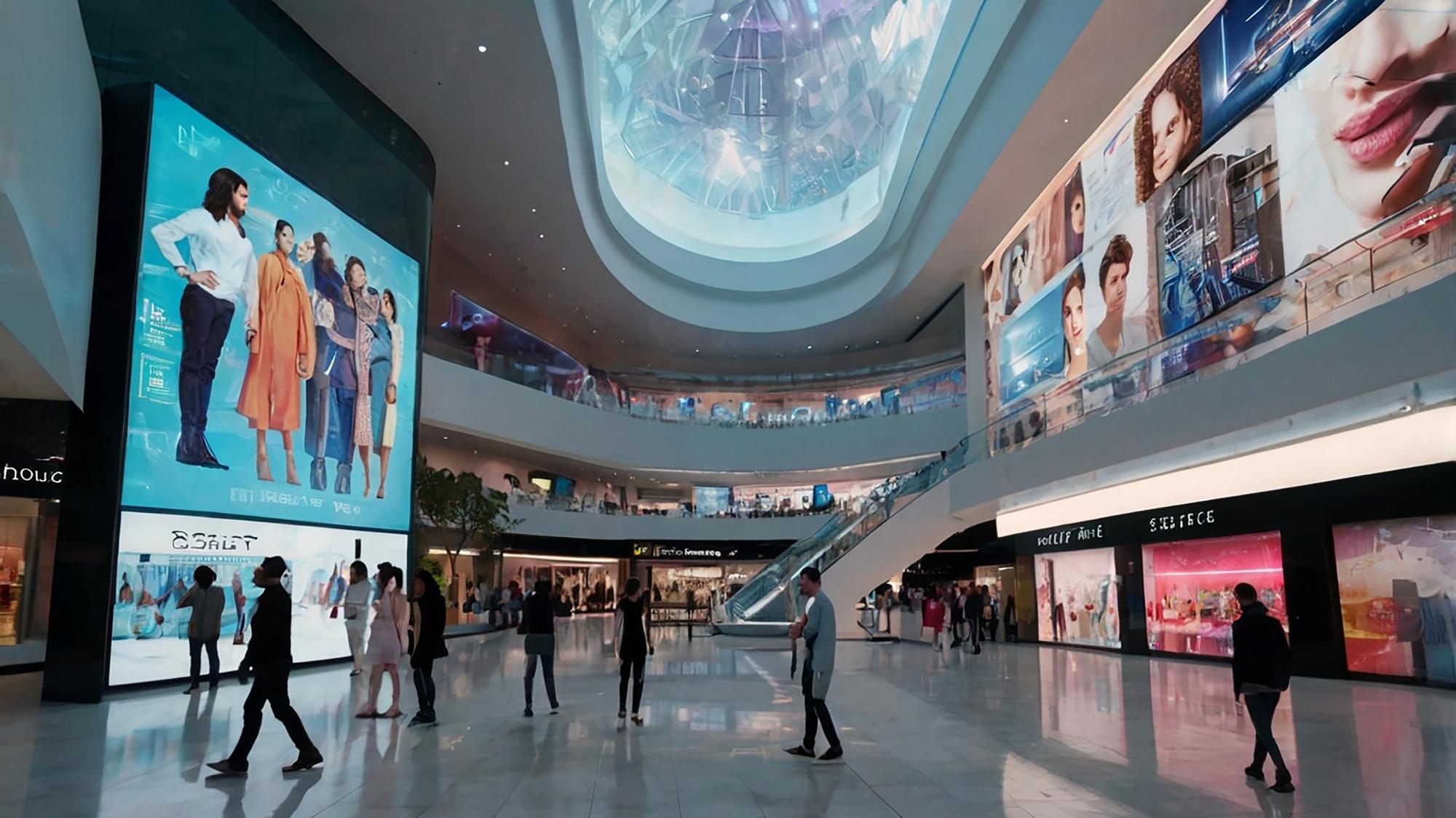
LED video walls for events are large display systems made up of modular panels that combine to form one continuous screen. They are used in conferences, trade shows, concerts, and corporate presentations where visibility and visual impact are important.
These systems are part of broader multimedia/audiovisual solutions that support high-quality content delivery across different formats. Their ability to display bright, detailed visuals in any number of lighting conditions makes them a practical choice for both indoor and outdoor events.
What LED Video Walls Are
An LED video wall is built from multiple display panels that connect to form a unified surface. Each panel contains light-emitting diodes that produce bright, detailed imagery without requiring traditional backlighting.
Unlike standard projectors or single screens, video walls scale easily. The display size can be adjusted by adding or removing panels depending on the event setup. This flexibility allows organizers to match visual output with audience size and venue layout.
These systems are commonly used when clear visibility is required across large spaces where traditional displays may fall short.
How LED Video Walls Work
LED video walls operate through a combination of hardware and control systems.
Modular Panels
Each panel functions as part of a larger display. When connected, they form a continuous screen without visible gaps.
Processing Units
Video processors manage incoming content and distribute it evenly across the panels. This provides consistent image quality.
Control Systems
Operators use software interfaces to manage playback, switch content, and adjust display settings in real time.
Signal Sources
Content can come from media players, computers, or live feeds such as presentations and broadcasts. This setup allows smooth content delivery across large visual surfaces without interruption.
Why LED Video Walls Are Used in Events
Event organizers rely on LED video walls because they improve visibility and audience participation. Large audiences need clear visuals, even from a distance, and these systems provide consistent clarity across wide viewing angles.
They also support dynamic content such as live video feeds, presentations, branding visuals, and motion graphics. This flexibility makes them good for different types of events, from corporate meetings to entertainment shows.
In many cases, they also support video conferencing by displaying remote speakers or hybrid event participants in real time.
Keeping People Focused During Presentations
Video walls help people stay focused during events. They give presenters a clearer way to show information compared to standard screens.
Bright displays and large-scale visuals help audiences follow content more easily. Motion graphics, video playback, and live feeds can be combined to create a heightened experience.
This is especially useful when communicating in commercial settings, where clarity and message delivery matter as much as visual presentation.
Flexibility Across Event Types
LED video walls are used in a vast array of event formats.
Corporate Events
They support presentations, keynote sessions, and product launches.
Trade Shows
Exhibitors use them to attract attention and display promotional content.
Live Entertainment
Concerts and performances use video walls to boost stage visuals.
Hybrid Events
Remote participation is displayed clearly alongside in-person content.
This adaptability makes them appropriate for events with different technical and visual requirements.
Advantages Over Traditional Displays
Compared to projectors and single screens, LED video walls offer several advantages.
Higher Brightness
LED panels remain visible in bright lighting conditions without losing clarity.
Scalable Size
Displays can be expanded to fit different stage or venue sizes.
Better Viewing Angles
Content remains visible from multiple positions within a venue.
Consistent Image Quality
No loss of brightness or distortion occurs across the screen surface.
These all make LED video walls a practical option for events that require reliable visual performance.
Supporting Hybrid Communication
Modern events often combine in-person and remote participation. LED video walls support this shift by displaying live video feeds and remote speakers in real time.
This allows audiences to follow discussions without interruption, regardless of location. It also helps presenters maintain continuity between physical and virtual participants.
When combined with conferencing tools, video walls help create a unified viewing experience across different communication formats.
Planning Considerations for Video Walls
Several things influence how LED video walls are used in event planning.
Venue Size
Larger venues require more panels to guarantee visibility across all seating areas.
Content Type
Video, graphics, and live feeds may require different display configurations.
Viewing Distance
Pixel pitch and screen size must match how far the audience will be from the display.
Lighting Conditions
Brightness levels must be adjusted based on indoor or outdoor settings.
Careful planning helps make certain that the display performs as expected during live use.
Technical Reliability During Events
Event production depends on stable technology. LED video walls are designed for continuous operation during long sessions without performance loss.
Redundant systems and control checks help prevent interruptions. Technical teams often monitor performance in real time to assure smooth playback throughout the event.
This reliability is important when presentations or live broadcasts are part of the program schedule.
Visual Impact and Branding
LED video walls also support branding efforts. Companies use them to display logos, product visuals, and promotional content at large scale.
This creates a strong visual presence during events and helps reinforce messaging across the audience. High-resolution displays help see to it that branding elements remain sharp and consistent.
Event Communication and Clarity
Clear communication is imperative during presentations and announcements. LED video walls help deliver messages in a way that is easy to follow from any location within the venue.
When paired with structured audiovisual setups, they support clearer messaging across different event segments. This improves audience comprehension and reduces miscommunication during live sessions.
Delivering Reliable Event Display Solutions
We design and support LED video wall setups that help organizations present content with clarity and impact. Our team works with event planners and production teams to make sure systems are configured for performance and reliability.
We provide audiovisual solutions that support live events, hybrid communication, and large-scale presentations. With experience in advanced multimedia/audiovisual solutions, we focus on delivering consistent results across different event formats.
If you are planning an event and want to check out LED video wall options, reach out to us to discuss your requirements.
FAQs
Yes. Many systems are designed for outdoor use with higher brightness levels and weather-resistant components.
Most systems support standard video and image formats, although content may be optimized for resolution and scale.
Operators use control software to manage playback, switch content, and adjust display settings in real time.