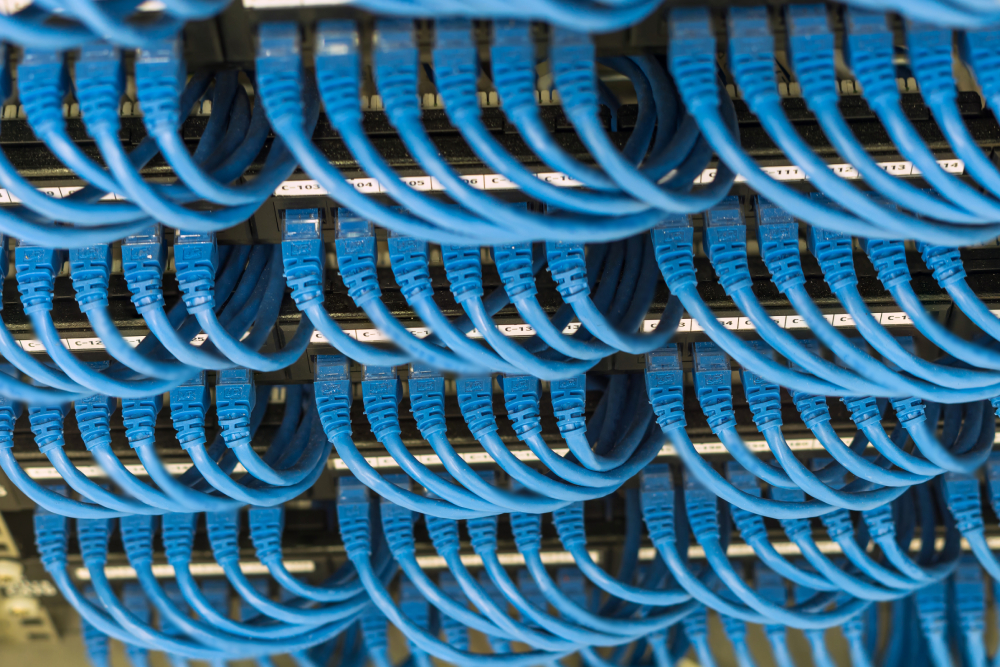


Structured Cabling vs. Piecemeal Low Voltage Wiring: What Businesses Discover Years Later
Most organizations do not think about their low voltage infrastructure until a renovation begins, technology upgrade is planned, or a persistent issue forces someone to look above the ceiling. What facilities teams often find is not a single, coordinated system, but years of cabling added at different times for different purposes by different vendors.
Network cabling may have been installed during original construction. Security wiring may have been added later. Conference room audiovisual feeds, digital displays, and access control lines may have followed years after that. Each project worked at the time it was completed. Over time, however, the environment becomes difficult to manage, expand, and troubleshoot.
This is where the practical difference between a standards-based structured cabling system and piecemeal low voltage wiring becomes very clear.
Structured cabling is not a different category of wiring. It is low voltage telecommunications cabling installed as a coordinated, standards-based system designed to serve the entire facility over the long term.
The Role of Standards in Structured Cabling
Structured cabling follows recognized telecommunications standards such as ANSI/TIA-568 and ISO/IEC 11801. These systems also fall under the low voltage classifications defined by National Electrical Code for telecommunications cabling.
What separates structured cabling from many real-world installations is not voltage or cable type. The difference lies in planning, organization, labeling, documentation, and coordination across all connected systems.
What Happens When Low Voltage Is Installed One System at a Time
In many commercial buildings, low voltage cabling was installed as needs arose rather than as part of a long-term infrastructure plan.
- Network cabling for workstations and servers
- Security wiring for access control and surveillance
- Audiovisual cabling for conference rooms and collaboration spaces
- Additional runs for digital signage, displays, or monitoring systems
Without a unified design, pathways become congested, labeling varies from project to project, and documentation is limited or outdated. What started as separate successful installations becomes a complicated environment when changes are required.
- Organization That Keeps the Facility Manageable Over Time
A structured cabling system is engineered as a complete environment from the outset. Pathways, racks, terminations, and labeling follow a single documented design intended to serve multiple technologies.
In fragmented environments, facilities teams often spend unnecessary time tracing cables just to determine what they connect to before making any change. This delays routine maintenance and makes upgrades more complicated than they should be.
- Expansion Without Disrupting Operations
As businesses grow, they add workstations, displays, conference rooms, access control points, and surveillance equipment.
With structured cabling, the infrastructure is designed to accommodate this growth. Existing pathways and termination points allow expansion without major disruption.
With piecemeal wiring, expansion may require rerouting cables, opening ceilings, or working around older installations that were never intended to support additional systems.
- Consistent Performance Across All Systems
Standards-based installation practices help maintain signal integrity and performance throughout the environment.
When low voltage systems are installed independently over many years, installation practices can vary. Differences in routing, separation, and termination can create inconsistencies that are difficult to diagnose when performance issues arise.
- Systems That Can Work Together
Modern facilities rely on data networks, audiovisual systems, access control, and surveillance platforms working in coordination.
A structured cabling backbone supports this integration because it is designed to serve all of these systems within the same framework. Isolated cable runs installed years apart often make this coordination more complicated than it needs to be.
- Faster Troubleshooting and Maintenance
Clear labeling and current documentation allow technicians to identify issues quickly.
In disorganized cabling environments, identifying where a cable runs or what it connects to can take considerable time. This increases downtime during troubleshooting and maintenance.
- Lower Long-Term Cost of Ownership
Installing cabling one project at a time may appear cost-effective initially. Over time, however, the cost of rework, delays, and inefficiencies accumulates.
Structured cabling reduces repeated labor, supports easier technology upgrades, and minimizes disruption as facility needs evolve.
Why These Differences Become Obvious During Renovations and Upgrades
These challenges usually become visible when an organization renovates office space, upgrades conference room technology, expands its data network infrastructure, or modernizes security systems.
What once functioned as separate installations must now operate as a unified environment. Without a structured foundation, this process becomes more complicated, time-consuming, and expensive than expected.
Facilities directors, IT managers, and operations leaders often discover that the biggest obstacle to new technology is not the equipment itself, but the condition of the existing cabling infrastructure supporting it.
Planning Cabling as Part of the Overall Technology Environment
When cabling is treated as part of the overall physical technology environment rather than as an isolated task, the results are very different. Data infrastructure, audiovisual systems, access control, and surveillance are all considered during the design phase, and the cabling is installed to support all of them together.
This level of planning ensures that years later, the facility can adapt to new requirements without major disruption.
How Alliance Telecommunications Designs Structured Cabling for Commercial Facilities
Alliance approaches structured cabling as part of a broader physical technology environment that includes audiovisual integration, data network infrastructure, and security systems.
Each project is engineered with defined pathways, consistent labeling, and thorough documentation so the cabling remains clear, organized, and practical to work with long after installation. Infrastructure is planned to accommodate conference room technology, digital displays, surveillance, and access control from the outset, rather than being added in stages over time.
This coordinated method helps organizations avoid the fragmented wiring conditions that often create operational challenges years later. It also ensures that when renovations, expansions, or technology upgrades take place, the existing infrastructure is prepared to accommodate them.
By emphasizing standards, organization, and long-term usability, Alliance delivers structured cabling systems built for how commercial facilities function today and how they will change in the future.
Plan Your Cabling Infrastructure for Long-Term Performance
If your facility is planning a renovation, expansion, or technology upgrade, this is the right time to evaluate whether your cabling environment is prepared for it.
Alliance Telecommunications designs and installs standards-based structured cabling systems that bring audiovisual integration, data network infrastructure, access control, and surveillance into one coordinated environment.
Talk with our team about how to bring clarity, organization, and long-term reliability to your low voltage infrastructure.