

The Critical Role Of Intrusion Detection Systems In Business Safety
Quick Summary
Intrusion detection systems create an active layer of protection by identifying unauthorized entry, unusual activity, and potential security events across commercial environments. These systems can combine sensors, alarms, monitoring technologies, and connected security equipment to detect threats quickly. When designed around a facility’s layout and operational needs, intrusion detection can strengthen physical security while complementing broader business protection strategies.
Businesses face security concerns that can affect facilities, equipment, sensitive information, employees, and daily operations. Business intrusion detection uses interconnected technologies to identify unauthorized activity around protected areas, which allows organizations to recognize potential threats and initiate an appropriate response. A properly designed system can become an important part of a broader approach to protecting commercial environments.
Effective intrusion detection begins with understanding how a facility operates and identifying locations where unauthorized access could occur. Doors, windows, interior spaces, restricted areas, storage rooms, and other vulnerable points can require different detection methods. Our approach considers these factors alongside existing security infrastructure to create a coordinated system that aligns with the organization’s operational requirements.
How Intrusion Detection Systems Work
An intrusion detection system uses sensors and connected devices to identify activity that may indicate unauthorized entry.
Depending on the system design, sensors can monitor doors, windows, interior movement, glass break events, or designated perimeter areas. When a sensor detects activity outside established conditions, it sends information to a central control system for evaluation and response.
The control panel serves as an important communication point between detection devices and other parts of the security system. When an event occurs, the panel can activate an alarm, transmit an alert, or communicate with designated monitoring infrastructure according to programmed settings. This process allows security personnel or designated contacts to become aware of potential incidents without relying solely on physical observation.
Core Components of a Business Intrusion Detection System
Door and window sensors help monitor common entry points by detecting when protected openings are disturbed. Motion sensors monitor interior spaces and identify movement after a system has been armed. Glass break sensors add another layer of detection around areas with windows or glass doors, especially where an intruder could enter without opening a conventional access point.
Additional detection technologies can be selected based on the facility and its specific risks. Perimeter sensors can monitor exterior areas, while specialized sensors can identify environmental conditions that may affect sensitive equipment or protected spaces.
Combining different detection methods creates layered coverage instead of relying on one type of sensor across an entire property.
Why Intrusion Detection Matters for Business Safety
A security incident can affect much more than physical property. Theft, vandalism, unauthorized access, and operational disruption can create financial and organizational consequences. Intrusion detection helps organizations recognize suspicious activity sooner.
This gives designated personnel more time to assess situations and follow established response procedures. The added awareness can strengthen protection during both occupied and unoccupied periods.
Intrusion detection can also contribute to employee safety by identifying unauthorized activity in areas where personnel may work, store equipment, or access sensitive resources. When combined with cameras, access control, alarms, and other security solutions, detection technology can become part of a layered environment designed around different types of risks. A coordinated approach can create stronger coverage than isolated security devices.
Integrating Intrusion Detection With Other Security Technologies
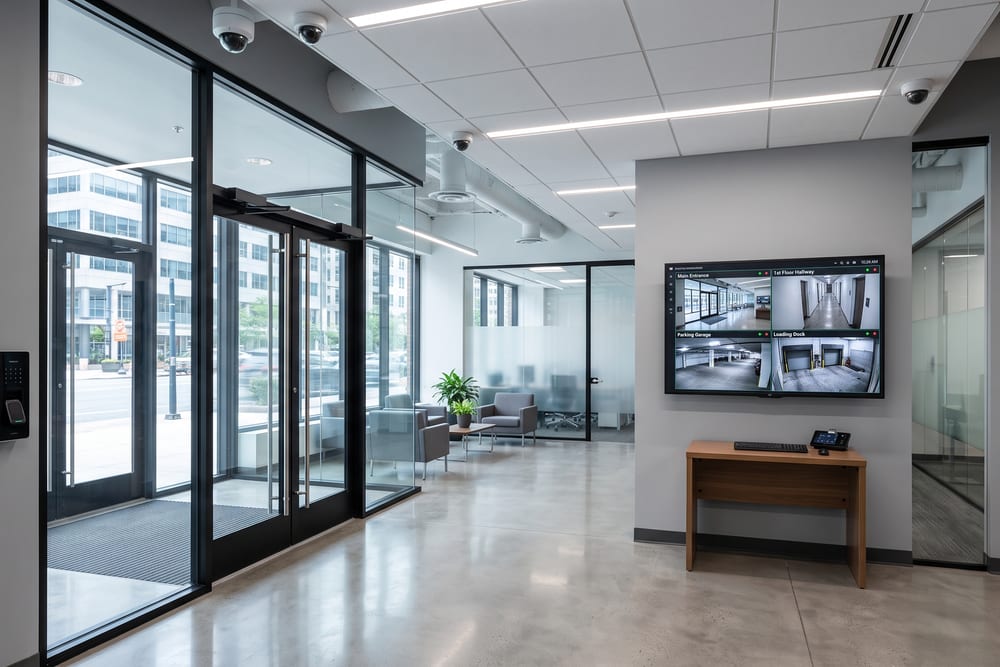
Intrusion detection becomes more effective when it works alongside technologies that address different aspects of facility security. Access control can regulate who enters designated areas, while surveillance cameras can create visual records of activity. Alarm systems can generate immediate notifications, and centralized controls can help security personnel understand events occurring across different parts of a facility.
Integration can create a more coordinated response when multiple security technologies operate within the same environment. For example, an access event combined with unexpected movement or camera activity can provide additional context about a potential incident.
Connecting these systems requires careful planning around compatibility, communication pathways, device placement, and control requirements. Each technology should contribute effectively to the overall security environment.
Maintaining Reliable Intrusion Detection Performance
An intrusion detection system requires ongoing attention after installation because equipment, facility layouts, access patterns, and operational requirements can change over time.
Sensors should remain correctly positioned, connected devices should be inspected, and system configurations should reflect changes to protected areas. Regular evaluations can identify conditions that may create unnecessary alerts or reduce effective coverage.
Documentation plays an important role in maintaining an organized security environment. Technicians and authorized personnel need to understand device locations, system configurations, and protected zones.
When security technologies are clearly documented and maintained, future modifications can be planned with better awareness of the existing installation. This approach makes upgrades and troubleshooting more manageable as business requirements evolve.
Building a Stronger Business Security Environment
Intrusion detection works best when it forms part of a broader security strategy instead of functioning as an isolated alarm system. Sensors, control equipment, monitoring capabilities, access control, surveillance, and related technologies can work together to create layered protection around a commercial facility.
The right combination depends on the property, operating conditions, security objectives, and areas requiring additional attention.
Alliance Telecommunications Contractors Inc can manage security system projects alongside cabling, audiovisual, and other low-voltage requirements, creating a coordinated approach from design through installation.
Request a quote to discuss your facility, security priorities, and technology requirements with a knowledgeable team focused on developing a practical security environment for your business.
FAQs
Intrusion detection systems can monitor doors, windows, interior movement, glass break events, perimeter areas, and other designated security zones.
Yes, intrusion detection systems can integrate with surveillance cameras, access control, alarms, and other technologies for coordinated security monitoring.
Sensors should be positioned around vulnerable entry points, restricted areas, interior spaces, and other locations identified through facility-specific security planning.
Regular inspections, testing, documentation, configuration reviews, and equipment maintenance can help keep intrusion detection systems operating reliably.