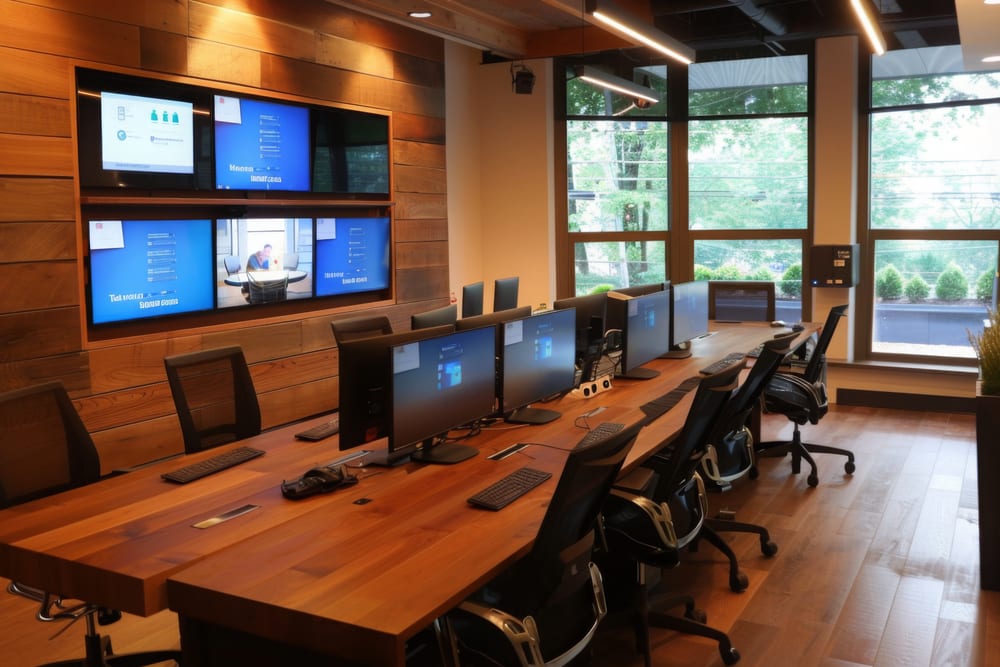


The Essentials Of AV System Integration: An Overview
Quick Summary
Audiovisual integration combines displays, sound equipment, control interfaces, video sources, connectivity solutions, and collaboration technologies into a coordinated environment. Instead of functioning as separate components, integrated AV systems help users manage communication and content through streamlined workflows. Effective planning considers room design, technology compatibility, user requirements, connectivity, acoustics, control methods, and future changes across different commercial environments and applications.
Audiovisual technology has become an important part of how organizations communicate, collaborate, present information, and engage audiences across different environments.
Audiovisual system integration brings separate technologies together through coordinated planning, installation, configuration, and control. This creates an environment where displays, audio equipment, conferencing platforms, and other components can function as connected parts of one system.
A successful AV environment starts with understanding how a space will be used because conference rooms, training areas, boardrooms, classrooms, auditoriums, and presentation spaces often have different technical requirements. Our approach evaluates room characteristics, user expectations, equipment compatibility, connectivity, and future needs before selecting technologies that match the intended application.
What Does AV System Integration Involve?
AV integration involves combining multiple audiovisual components, so they operate within a coordinated environment.
Displays, speakers, microphones, cameras, control panels, signal processors, switching equipment, and conferencing technologies each serve specific functions while working through a carefully designed system architecture. This approach simplifies operation and creates a more consistent experience for users.
The integration process may also include equipment configuration, signal routing, control programming, connectivity planning, testing, and installation.
Instead of requiring users to manage multiple unrelated devices independently, an integrated environment can organize common functions through centralized controls or intuitive interfaces. This makes meetings, presentations, training sessions, and collaborative activities easier to manage.
Core Components of an Integrated AV Environment
Display technology represents one of the most visible elements of an audiovisual environment, but effective performance depends on more than selecting the right screen. Displays may include commercial monitors, projection systems, video walls, interactive panels, or other presentation technologies chosen according to viewing distance, room dimensions, content requirements, and expected audience size.
Audio components also play an important role in communication quality, especially during meetings, presentations, and remote collaboration. Microphones, speakers, amplifiers, digital signal processors, and acoustic considerations work together to create clearer communication.
Cameras and conferencing equipment can further connect participants across locations while helping remote attendees take part more naturally.
Why Integration Matters for Modern Workspaces
Organizations can use multimedia/audiovisual solutions to create more engaging environments for communication, collaboration, education, presentations, and information sharing.
However, purchasing advanced equipment does not automatically create an effective AV environment. Components need to work together properly, and users need straightforward ways to operate the technology without unnecessary technical steps during important meetings or events.
Integration can reduce challenges caused by disconnected equipment and inconsistent room configurations. When systems are designed around specific applications, users can access common functions through predictable controls while organizations maintain a more organized technology environment. This can be especially valuable for businesses managing multiple rooms that require consistent capabilities without making every space identical.
Planning the AV Integration Process
Successful integration begins with evaluating the physical space and understanding the activities that will take place there. Room dimensions, seating arrangements, lighting conditions, acoustics, power availability, connectivity, viewing angles, and equipment placement can influence system design.
Considering these factors early helps create an AV environment that matches practical requirements instead of relying only on equipment specifications.
The next stage involves selecting compatible technologies and determining how each component will communicate with others. Equipment should be evaluated based on functionality, compatibility, performance, user requirements, and expected expansion. A coordinated design can also account for cable pathways, connection points, control interfaces, and equipment locations before installation begins, reducing potential complications during implementation.
Our ability to manage a broader low-voltage scope can be valuable when AV projects intersect with structured cabling, security systems, network infrastructure, or other building technologies.
Coordinating related requirements during planning can reduce conflicts between separate installations while creating a clearer path from design and engineering through installation, configuration, testing, and final system handoff.
Creating AV Systems that Can Grow
Technology requirements can change as organizations add employees, introduce new collaboration practices, renovate spaces, or expand operations into additional locations.
An AV system designed only around immediate needs may become restrictive as those requirements evolve. Scalable design considers potential equipment additions, changing room configurations, new connectivity requirements, and future technology updates before the initial installation is completed.
Our consultative approach focuses on selecting and integrating technologies around how each organization plans to use its spaces. This perspective helps decision-makers balance functionality, usability, technical requirements, and long-term considerations while avoiding unnecessary equipment that does not contribute to the intended experience.
The result can be a more purposeful AV environment that aligns technology with business activities.
Bringing Technology and Experience Together
Effective audiovisual environments are built around more than individual devices, because the greatest value comes from how those technologies function together within a specific space. Careful planning, compatible components, intuitive controls, dependable connectivity, and thoughtful installation can create systems that help people communicate and collaborate with fewer technical distractions.
Alliance Telecommunications Contractors Inc can manage audiovisual projects alongside other low-voltage requirements, giving organizations a coordinated approach when multiple technology systems share the same environment.
Request a quote to discuss your space, communication goals, and audiovisual requirements with a team that can guide the project from planning through installation and system integration.
FAQs
AV system integration connects multiple audiovisual technologies so they function together through coordinated controls, connectivity, configuration, and system design.
Integrated AV systems can include displays, speakers, microphones, cameras, conferencing equipment, control interfaces, processors, switches, and related connectivity.
Room dimensions, acoustics, lighting, seating, viewing distances, and equipment placement can significantly influence audiovisual performance and user experience.
Yes, thoughtful system design can account for expansion, additional equipment, changing connectivity requirements, and evolving workplace communication practices over time.