

Video Surveillance Systems: What You Need To Know
Quick Summary
Modern facilities rely on video surveillance systems to monitor activity, deter unwanted behavior, and maintain visibility across physical spaces. The following explains how these systems operate, where they are used, and why they have become a major component of modern security planning for businesses and organizations.
Video surveillance systems are used in modern environments to observe, record, and review activity in designated areas.
As part of bigger security solutions, they help organizations maintain awareness of physical movement, improve incident response, and support ongoing safety management.
These systems are no longer limited to simple recording devices. They now feature digital storage, remote access, motion detection, and real-time alerts.
This has made them a practical tool for both small businesses and large facilities looking for consistent monitoring coverage.
What Video Surveillance Systems Do
Video surveillance systems capture visual data through strategically placed cameras. The footage is transmitted to recording devices or cloud platforms where it can be stored and reviewed.
These systems serve multiple purposes. They document activity, provide real-time monitoring, and support investigations when incidents occur. In many cases, the presence of cameras alone contributes to stronger protection against intruders by discouraging unauthorized access.
Modern setups often include features such as night vision, high-definition imaging, and remote viewing. These improvements allow users to maintain visibility regardless of time or location.
Components of a Surveillance System
A complete surveillance setup includes several elements working together.
Cameras
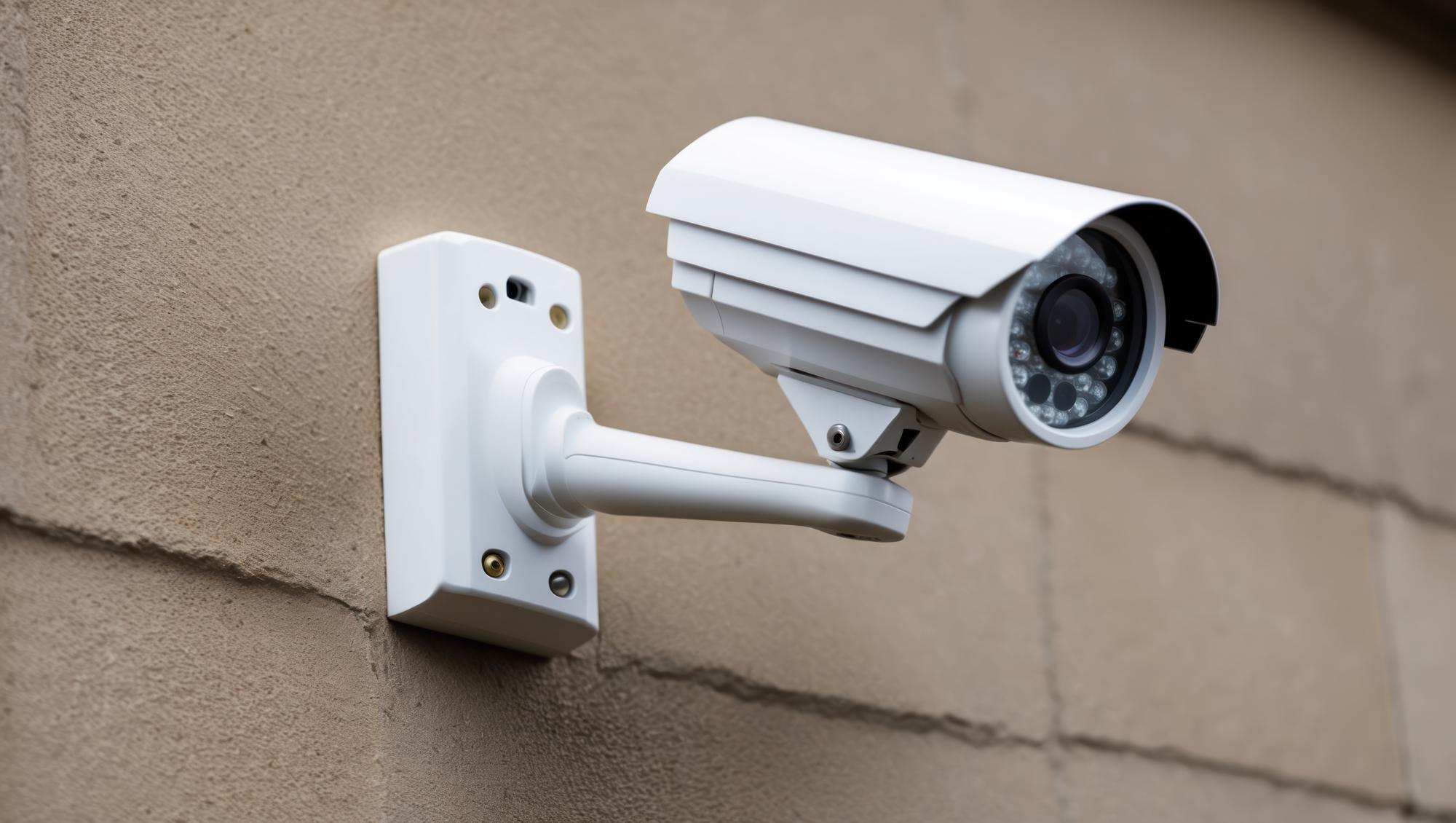
Cameras act as the main input device, capturing video from specific areas. They can be fixed, mobile, or panoramic depending on coverage needs.
Recording Devices
Digital video recorders or network video recorders store footage for later review. These devices make sure that important events are preserved securely.
Monitoring Interfaces
Screens, mobile apps, and control centers allow users to view live or recorded footage. This allows for quick response when activity appears unusual.
Storage Systems
Footage is stored locally or in cloud environments. Storage capacity determines how long recordings are retained before being overwritten.
Together, these all create a structured system that supports continuous observation and review.
How Surveillance Systems Improve Security
Surveillance technology helps monitor and protect systems. Cameras positioned at entry points, hallways, and exterior spaces help track movement and identify unusual behavior.
In many cases, recorded footage becomes a valuable resource during investigations. It provides clear documentation of events, helping organizations view what occurred and when.
This level of visibility strengthens efforts to protect yourself or business from intruders, especially in environments where physical access needs to be monitored closely.
Real-Time Monitoring and Response
One of the most important features of modern surveillance systems is real-time access. Security teams can view live footage from multiple locations at once, allowing them to respond quickly when issues arise.
Alerts can be triggered by motion detection or unusual activity patterns. This helps teams focus on relevant events rather than reviewing hours of footage manually.
Remote access also allows managers and security personnel to monitor sites from different locations, improving flexibility and response time.
How Surveillance Systems Work With Other Security Tools
Surveillance systems rarely operate alone. They are usually part of broader security setups that include access control, alarm systems, and network monitoring tools.
This allows different systems to communicate with one another. For example, an access control alert may trigger a camera to begin recording automatically.
By connecting systems together, organizations create a more coordinated approach to physical security. This reduces blind spots and improves overall situational awareness.
Types of Surveillance Setups
Different settings require different configurations.
Analog Systems
Traditional setups use direct wiring to transmit video signals. These systems are often simpler but offer fewer advanced features.
IP-Based Systems
Internet Protocol systems transmit digital video over networks. They support higher resolution, remote access, and easier scalability.
Wireless Systems
Wireless cameras reduce the need for physical cabling. They are frequently used in areas where installation flexibility is important.
Hybrid Systems
Hybrid setups combine analog and IP components. This allows organizations to upgrade gradually without replacing all existing equipment.
Each configuration supports different operational needs depending on facility size and complexity.
Benefits of Video Surveillance Systems
Organizations adopt surveillance technology for several practical reasons.
Deterrence
Visible cameras reduce the likelihood of unauthorized activity. Potential intruders are less likely to act when monitoring is present.
Evidence Collection
Recorded footage provides detailed records that can support investigations and reporting.
Operational Oversight
Surveillance can also be used to monitor workflow, safety compliance, and daily operations.
Remote Accessibility
Users can access live or recorded footage from mobile devices or computers, improving flexibility.
These benefits make surveillance a valuable tool in both security and operational management.
Limitations to Consider
While surveillance systems provide strong advantages, they also require planning and maintenance.
Storage Management
Large volumes of video data require sufficient storage capacity and retention policies.
Privacy Considerations
Organizations must make sure that monitoring practices comply with legal and ethical standards.
Maintenance Needs
Cameras and recording devices require regular checks to maintain performance and clarity. Knowing what affects them helps organizations use surveillance systems more effectively.
Why Surveillance Remains Necessary
As systems become more connected and active, maintaining visibility is increasingly important. Surveillance systems provide a consistent way to observe physical spaces and respond to incidents when they occur.
They also support accountability by documenting events accurately. This helps reduce uncertainty during investigations and improves decision-making after incidents.
The combination of visibility, documentation, and deterrence makes surveillance a long-standing component of physical security planning.
Boosting Your Security
We design and support surveillance systems that help organizations maintain visibility across their facilities. Our approach focuses on reliability, clarity, and working with existing infrastructure.
We work with businesses to set up systems that fit their day-to-day needs and long-term goals. With experience across advanced security solutions, we help improve monitoring coverage and response capability.
If you are ready to kick your surveillance strategy up a notch, please contact us to discuss your options.
FAQs
Yes. Many systems store footage locally and operate independently of internet connectivity, although remote access features may require network access.
Retention periods differ based on storage capacity and organizational policy, ranging from days to several months.
Yes. Scalable options make it possible for small businesses to use systems that match their specific security needs.