

Why Access Control Is Important For Business Security
Quick Summary
Access control systems shape how businesses protect people, data, and physical assets. The following explains how modern systems strengthen security, reduce risk, and support long-term operational confidence across commercial environments.
Why is access control important? This becomes clear when businesses face increasing security risks tied to unauthorized entry, data exposure, and internal vulnerabilities.
Controlling who enters specific areas is no longer optional for organizations that handle sensitive information or valuable equipment.
Modern security solutions extend beyond basic locks and keys. Businesses now rely on controlled entry systems that monitor movement, restrict access, and record activity in real time. These systems create a controlled environment where access is intentional and traceable.
Reliable 24/7 support strengthens these systems by keeping them operational at all times. Continuous monitoring and technical oversight reduce downtime and prevent gaps that could expose vulnerabilities during off-hours.
Recognizing the benefits of managed services helps organizations maintain consistency in their security infrastructure. Ongoing oversight keeps systems updated, functional, and in keeping with changing operational demands.
As a business owner, ask which kind of access control suits you when evaluating your options. The answer depends on building size, workforce structure, compliance requirements, and the level of control needed across different areas.
Controlling Physical Entry Across Facilities
Access control systems regulate entry points throughout a facility. Offices, server rooms, storage areas, and restricted zones each require different levels of clearance. Without structured access, businesses face increased exposure to theft, tampering, or unauthorized activity.
Traditional keys create challenges when employees leave or lose access credentials. Replacing locks and redistributing keys disrupt operations and increase costs. Access control systems eliminate that issue by allowing administrators to modify permissions instantly.
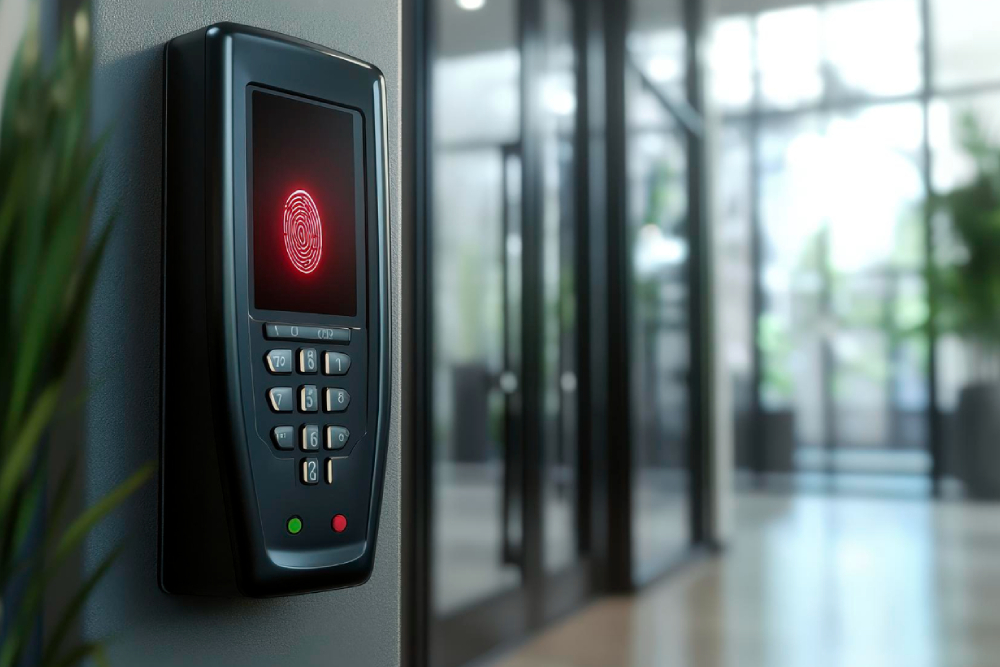
Credential-based systems such as keycards, mobile access, or biometric authentication create accountability. Every entry attempt is recorded, allowing businesses to review activity logs and identify unusual patterns.
Controlled access also reduces internal risk. Not every employee needs access to every space. Limiting access based on job function strengthens internal security while maintaining operational efficiency.
Strengthening Data and Asset Protection
Physical security connects directly to digital protection. Unauthorized access to servers, network infrastructure, or sensitive files can lead to data breaches and operational disruption.
Access control systems restrict entry to areas where important systems are housed. This layer of protection reduces the likelihood of tampering, accidental damage, or intentional misuse.
Audit trails generated by access systems support compliance and internal investigations. Businesses gain clear visibility into who accessed specific locations and when those events occurred.
For industries such as healthcare, education, and industrial operations, maintaining secure environments is tied to regulatory expectations. Controlled access helps meet those standards while protecting both physical and digital assets.
Real-Time Monitoring and Visibility
Access control systems offer real-time insight into facility activity. Administrators can monitor entry points, track movement, and respond quickly to irregular behavior.
Alerts can be configured to flag unauthorized attempts or unusual access patterns. Immediate notifications allow security teams to act before issues escalate.
Centralized dashboards simplify management across multiple locations. Businesses with several facilities benefit from unified visibility without needing separate systems for each site.
This level of awareness supports better decision-making. Security is no longer reactive. It becomes proactive, with data guiding adjustments to access permissions and protocols.
Supporting Employee Safety and Accountability
A secure workplace supports employee confidence and productivity. Access control systems create an environment where individuals feel protected during work hours.
Emergency situations highlight the importance of controlled access. In the event of a lockdown or evacuation, administrators can secure entry points or unlock exits as needed.
Visitor management becomes more structured with access systems in place. Temporary credentials can be issued and revoked without disrupting permanent access settings.
Tracking entry and exit activity adds a layer of accountability. Businesses can verify attendance, monitor contractor access, and maintain accurate records for compliance purposes.
Reducing Long-Term Security Costs
Upfront investment in access control often leads to long-term savings. Eliminating reliance on physical entry hardware reduces replacement costs and decreases ongoing administrative workload.
Scalable systems grow alongside the business. New employees, departments, or locations can be added without replacing existing infrastructure.
Maintenance becomes more predictable when systems are professionally managed. Regular updates and monitoring reduce the likelihood of unexpected failures or costly repairs.
Loss prevention also contributes to financial savings. Preventing unauthorized access reduces the risk of theft, damage, or liability issues that could impact operations.
Adapting to Changing Business Needs
Businesses progress over time, and security systems must keep pace. Access control systems offer flexibility that traditional methods cannot match.
Permissions can be adjusted instantly to reflect staffing changes, role transitions, or new operational requirements. This adaptability keeps security matched up with the business structure.
Integration with other systems adds further value. Access control can connect with surveillance, alarms, and communication platforms to create a unified security environment.
As organizations expand, maintaining consistent security across locations becomes more complex. Access control systems simplify that process by standardizing protocols and centralizing management.
Building a Layered Security Strategy
Access control functions as part of a broader security framework. Combining controlled entry with surveillance and monitoring creates multiple layers of protection.
Each layer reinforces the others. If one measure is challenged, additional safeguards remain in place to prevent escalation.
Businesses that rely on a single form of protection often face greater risk. Layered systems create redundancy and strengthen overall resilience.
Professional design and implementation help to make sure that each component works together effectively. Poorly configured systems can create gaps instead of closing them.
Why Access Control Is Important For Business Security
Alliance Telecommunications designs and installs access control systems that are in keeping with real business needs. We manage the full low-voltage scope, allowing us to create connected environments where security, communication, and infrastructure work together.
Our experience across commercial, healthcare, industrial, and educational spaces allows us to deliver systems that support daily operations without disruption.
We approach every project with a focus on reliability, clarity, and long-term performance. From system design to ongoing support, we help businesses maintain secure environments that adapt as they grow.
If you have any questions about Alliance Telecommunications or want to strengthen your facility’s security, please reach out to our team today.
FAQs
Access control systems create detailed records of entry activity. These logs support audits and help demonstrate that only authorized individuals can access restricted areas.
Yes. Modern systems are designed to expand alongside your organization. New users, locations, and access points can be added without replacing the entire system.
Healthcare, education, manufacturing, and corporate environments all benefit from controlled access. Any organization that handles sensitive information or valuable assets can improve security through these systems.