

Low Voltage Cabling: What It Is And How It Operates
Quick Summary
Low voltage cabling carries signals and data for technologies such as telecommunications, networking, audiovisual equipment, security systems, access control, and other connected devices. Unlike electrical wiring used for high-power applications, these cables typically transmit information and communication signals throughout a facility. Proper planning, installation, labeling, testing, and organization help create infrastructure that performs reliably across different applications.
Modern businesses depend on connected technologies for communication, networking, security, collaboration, and daily operations across their facilities. Low voltage structured cabling creates the physical pathways that allow these systems to communicate, transferring data and signals between devices, network equipment, telecommunications hardware, and other technology endpoints throughout commercial environments.
Although low voltage cabling carries less electrical power than conventional building wiring, it plays an important role within modern technology infrastructure.
Proper cable selection, pathway planning, termination, labeling, testing, and organization can influence system performance. These practices also create an adaptable foundation for organizations with technology requirements that continue to evolve over time.
What is Low Voltage Cabling?
Low voltage cabling refers to wiring designed to transmit data, communication signals, and other low-power electrical signals instead of supplying significant electrical power to equipment.
These cables support technologies such as computer networks, telephone systems, audiovisual equipment, surveillance cameras, access control devices, and other connected building systems that depend on reliable signal transmission.
Common cable types include twisted-pair copper cables, coaxial cables, and fiber optic cables. Each type serves different applications and transmission requirements. Copper cabling supports many common network and telecommunications connections, while fiber optic technology uses light to transmit information across longer distances.
It can also support high-bandwidth applications when used within suitable infrastructure designs.
How Low Voltage Cabling Operates
Low voltage cables operate by carrying electrical or optical signals between connected devices and system components.
Copper cables transmit information through electrical signals that travel across conductive materials. Fiber optic cables transmit information through pulses of light that travel through optical fibers. The transmission method depends on the cable type and the technology using the connection.
In a business network, cabling connects computers, phones, wireless access points, switches, servers, and other equipment through designated pathways. A security installation may use cabling to connect cameras, access control devices, sensors, and related equipment.
Each application has different technical requirements, which makes proper infrastructure planning important before cables are installed throughout a facility.
Where Low Voltage Cabling is Used
Low voltage cabling supports a wide range of technologies found throughout commercial buildings, educational facilities, healthcare environments, industrial locations, and other professional spaces.
Telecommunications systems can use cabling for voice communications, while computer networks depend on physical connections between network devices and endpoints. Audiovisual systems also rely on cables for transmitting sound, video, control signals, and other information.
Security technologies represent another important application because surveillance cameras, access control equipment, alarm systems, and related devices require dependable connections to communicate with associated systems. Planning these requirements together helps organizations create more organized technology infrastructure.
It can also reduce unnecessary cable runs, confusing pathways, and installation conflicts between different low voltage applications.
The Role of Structured Cabling
Structured cabling organizes physical network infrastructure through standardized components, pathways, connection points, and telecommunications spaces.
Instead of creating separate and inconsistent cable installations for every technology requirement, structured approaches establish an organized foundation. This foundation accommodates current systems while leaving room for future changes and additional technology connections.
Our work with data network infrastructures considers how cabling supports the broader technology environment, including connectivity, equipment placement, system requirements, and future expansion. A well-planned cabling architecture can make technology changes easier to manage because connection points and pathways are established according to a consistent design rather than being added without consideration for the existing infrastructure.
Key Considerations for Low Voltage Cabling Installation
Cable Selection: Choose cabling based on the application, transmission requirements, distance, environmental conditions, and connected equipment.
Pathway Planning: Map cable routes, equipment locations, termination points, racks, and connection areas before installation begins.
Cable Separation: Maintain appropriate separation from electrical wiring to reduce potential electromagnetic interference and signal disruption.
Installation Practices: Follow proper bend radius, support, routing, labeling, and termination practices for organized infrastructure and easier maintenance.
Future Accessibility: Plan accessible pathways and connection points that make future troubleshooting, upgrades, and technology additions easier to manage.
Testing and Maintaining Low Voltage Cabling
Testing helps confirm that installed cabling meets applicable performance requirements and functions correctly for its intended application. Depending on the system, testing can evaluate continuity, signal performance, connection quality, transmission characteristics, or other technical factors.
Identifying problems during installation makes corrections more practical than discovering connectivity issues after equipment deployment.
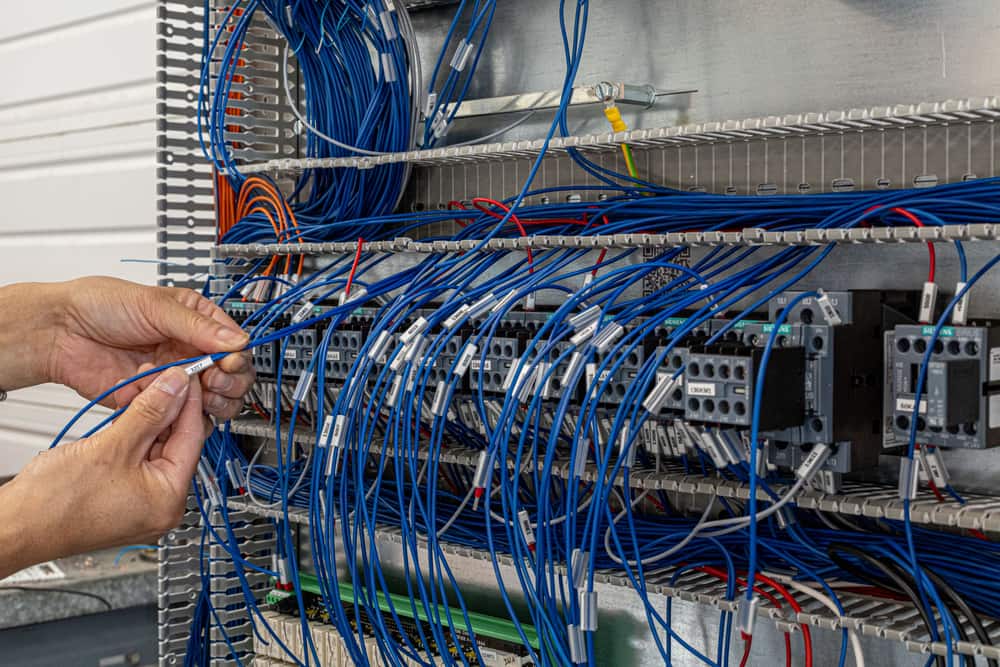
Maintenance becomes easier when cabling is properly labeled, documented, organized, and accessible. Clear identification helps technicians locate specific connections and understand how different pathways relate to equipment and network infrastructure.
As organizations add devices or modify technology systems, accurate documentation reduces unnecessary troubleshooting time and makes future changes more manageable.
Building a Connected Infrastructure
Low voltage cabling forms the physical foundation for many technologies that organizations rely on every day. From networking and telecommunications to audiovisual equipment and security systems, dependable connections allow devices to exchange information and function as intended. Understanding how these cables operate and how they should be planned can help businesses make more informed infrastructure decisions.
Alliance Telecommunications Contractors Inc can manage low voltage projects across cabling, audiovisual, security, and related technology requirements, creating a coordinated approach from design through installation.
Request a quote to discuss your facility, existing infrastructure, and connectivity goals with a knowledgeable team focused on creating an organized technology foundation.
FAQs
Low voltage cabling connects networking, telecommunications, audiovisual, security, access control, surveillance, and other technology systems throughout commercial environments.
Structured cabling uses organized pathways, connection points, and standardized components to create adaptable infrastructure for multiple technology applications.
Professional installation helps address cable selection, routing, termination, testing, labeling, and infrastructure requirements that influence long-term system performance.
Yes, thoughtful cabling designs can accommodate additional devices, changing technology requirements, expanded connectivity, and future infrastructure modifications.