

The Essential Guide To Data Center Structured Cabling
Quick Summary
Structured cabling forms the backbone of every high-performing data center, supporting consistent connectivity, organized infrastructure, and long-term scalability. A well-planned system reduces downtime, improves efficiency, and supports advancing technology demands. Businesses that invest in professional cabling benefit from stronger performance, easier maintenance, and dependable network operations.
Data center structured cabling is the basis of reliable network performance in modern facilities. It connects servers, storage systems, and networking equipment through an organized framework that supports continuous data flow.
This structure also supports broader data network infrastructures that depend on stable, high-capacity connectivity across your operations.
Without a properly designed system, even the most advanced hardware cannot operate at its full potential.
Data centers depend on structured cabling to maintain order, reduce interference, and support rapid data transmission. These systems are designed to handle high volumes of traffic while maintaining clarity and consistency across all connections.
A well-executed setup allows organizations to operate with confidence, knowing their infrastructure can handle daily demands.
What Structured Cabling Means in a Data Center
Structured cabling refers to a standardized approach to designing and installing network wiring. Instead of running individual cables for each connection, systems are organized into a unified framework.
This approach simplifies management and reduces the complexity of large-scale environments.
Within data centers, structured cabling supports both current operations and future expansion. It allows new equipment to be added without disrupting existing connections. This flexibility is imperative for businesses that rely on continuous uptime and rapid growth.
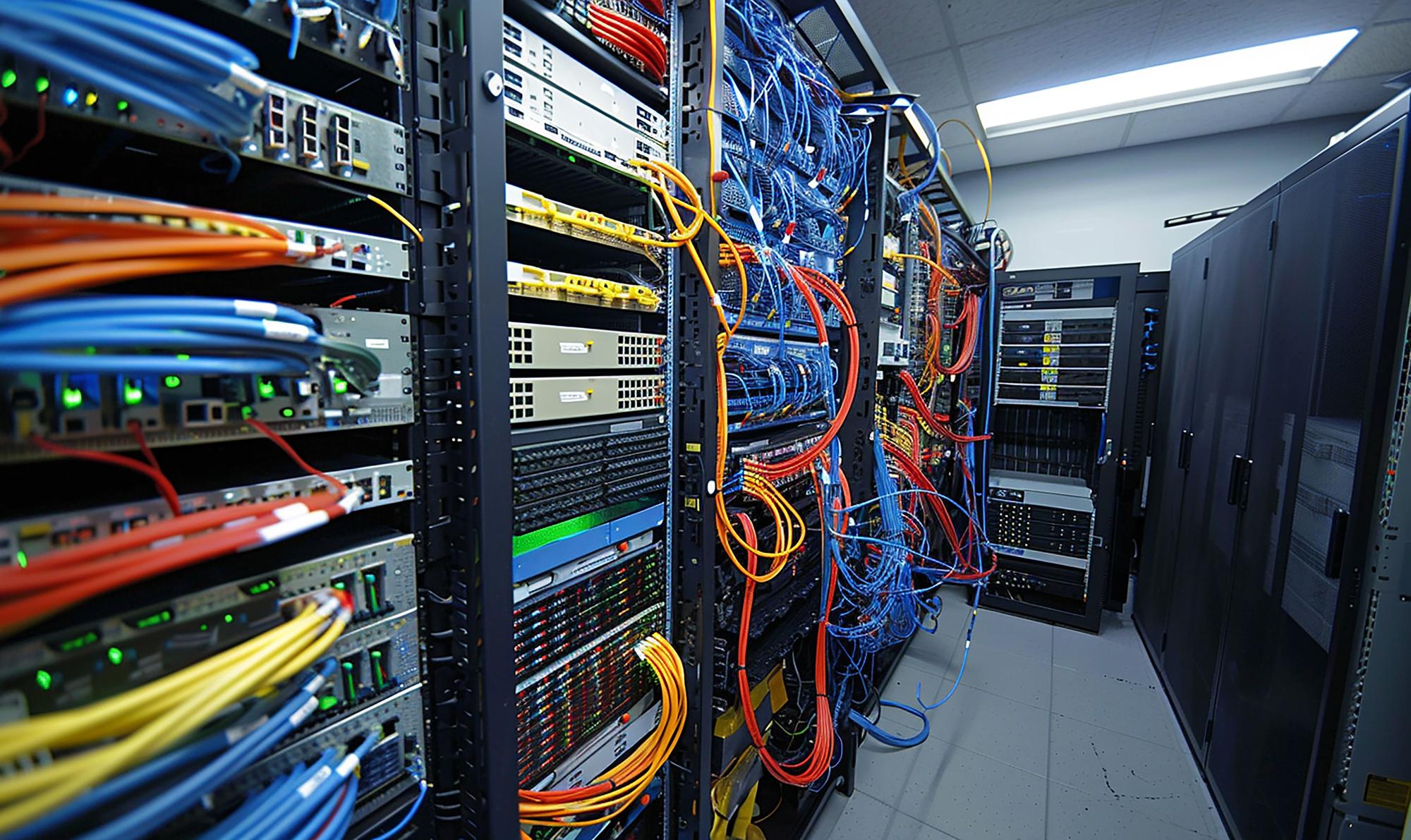
These systems also contribute to cleaner layouts. Organized cabling reduces clutter, improves airflow, and allows technicians to access equipment more easily. This level of organization directly impacts performance and maintenance efficiency.
Why Organization Drives Performance
Disorganized cabling creates more than visual clutter. It leads to signal interference, overheating, and difficulty identifying connections during maintenance. These issues can result in downtime and costly disruptions.
Structured systems eliminate these risks by grouping cables into clearly defined pathways. This reduces the chance of interference and keeps airflow unobstructed. Equipment operates better when heat is properly managed, which extends its lifespan.
Organization also speeds up troubleshooting. When cables are labeled and arranged logically, technicians can quickly locate and resolve issues. This reduces downtime and keeps operations running smoothly.
Supporting High-Speed Data Transmission
Data centers handle massive volumes of information. Structured cabling supports this demand by maintaining consistent signal quality across connections. Poorly installed systems can introduce latency or data loss, which affects performance.
High-quality cabling and proper installation techniques maintain signal integrity. This allows data to move quickly between systems without interruption. Businesses that rely on real-time processing benefit from these improvements in speed and reliability.
As technology progresses, data demands continue to grow. Structured cabling systems are built to support higher speeds and increased capacity, allowing organizations to adapt without major infrastructure changes.
The Connection to Broader Network Infrastructure
Structured cabling does not operate in isolation. It supports larger data network infrastructures that connect entire facilities, campuses, and remote locations. This setup allows businesses to manage operations across different sites without losing performance.
Reliable cabling systems support clear communication between servers, workstations, and external networks. This level of connectivity is important for modern organizations that rely on cloud services, remote access, and real-time collaboration.
Strong infrastructure also supports business continuity. When systems are properly connected, organizations can maintain operations even during unexpected disruptions.
Promoting Communication Technologies
Modern communication tools depend on stable network connections. Structured cabling supports systems such as IP telephony, which relies on data networks to transmit voice communications.
Without reliable cabling, call quality can suffer, leading to dropped connections or poor audio clarity.
By maintaining consistent signal quality, structured cabling supports clear communication. This benefits internal collaboration as well as interactions with clients and partners.
As businesses continue to adopt advanced communication tools, the importance of dependable cabling becomes even more apparent.
Planning for Growth and Flexibility
Data centers are constantly changing. New technologies, increased storage needs, and expanded operations require infrastructure that can adapt over time. Structured cabling supports this growth by allowing changes without major disruptions.
Modular designs make it easier to add new equipment or reconfigure existing setups. This flexibility reduces downtime and keeps operations running, even during upgrades.
Businesses that plan for growth from the beginning avoid costly overhauls later. Structured cabling provides a strong basis that supports long-term expansion.
Reducing Maintenance Challenges
Maintenance is an ongoing part of data center operations. Structured cabling simplifies this process by making systems easier to manage. Clearly labeled connections and organized pathways reduce the time required for inspections and repairs.
Technicians can quickly identify issues and perform updates without disrupting unrelated systems. This improves efficiency and reduces the risk of accidental disconnections.
What’s more, structured cabling supports better documentation. Accurate records of connections and layouts help teams manage infrastructure more effectively over time.
Supporting Reliable Technology Environments
Data centers rely on consistent performance across all systems. Structured cabling supports this reliability by maintaining stable connections and reducing points of failure. Every component works together to support continuous operation.
This level of reliability extends to broader supportive technology systems that depend on network connectivity. Security platforms, monitoring tools, and management software all rely on stable infrastructure to function properly.
When cabling systems are professionally designed, they support these technologies without interruption. This creates a dependable setting where businesses can operate without concern for unexpected failures.
The Importance of Ongoing Support
Even well-designed systems require ongoing attention. Regular monitoring and maintenance help keep structured cabling performing at a high level. Without this support, small issues can develop into larger problems over time.
Access to 24/7 support allows organizations to respond quickly when challenges arise. Technical teams can deal with concerns before they impact operations, keeping systems running smoothly.
Ongoing support also helps businesses adapt to changes. As technology progresses, updates and modifications can be made without disrupting existing infrastructure.
Built for Performance From the Ground Up
We design and install structured cabling systems that support the demands of modern data centers. Our approach focuses on organization, performance, and long-term reliability. Every project is built around your operational needs, not a generic template.
We manage every phase of the process, from initial planning to installation and continued support. Our experience across network infrastructure, audiovisual systems, and security allows us to deliver solutions that work perfectly together within your facility.
If you have any questions about Alliance Telecommunications or need guidance on data center cabling, please reach out to us today.
FAQs
Common options include copper cabling such as Cat6 or Cat6A, as well as fiber optic cables for high-speed data transmission. The choice depends on performance requirements and distance.
Organized cable pathways reduce congestion around equipment, allowing air to circulate more effectively. This helps maintain proper temperatures and supports equipment performance.
No. Structured cabling benefits facilities of all sizes, from small server rooms to large enterprise data centers. Any environment that relies on network connectivity can benefit from organized infrastructure.