


6 Ways Live Video Surveillance Benefits Automotive Dealership Operations
Quick Summary
Automotive dealership live video surveillance lets trained monitors watch lots and buildings in real time, so they can deter theft and vandalism, verify alarms, document damage, protect staff and customers, oversee service areas and give managers visibility across one or several stores.
A dealership lot holds millions of dollars in inventory, most of it parked outdoors overnight with the keys locked inside a building a few yards away. Catalytic converter theft, stolen wheels, break-ins and vandalism can wipe out a month of profit on a single night, and recorded footage reviewed the next morning rarely brings the vehicles back.
Automotive dealership live video surveillance changes the timing. Instead of reviewing what already happened, trained monitors watch the property as events unfold. Alliance Telecommunications has designed and installed commercial security solutions since 1983, and these are six ways live video helps dealership operations.
1. Deterring After-Hours Theft and Vandalism
Live monitoring lets operators intervene while an intruder is still on the lot. Many systems use talk-down speakers, so a monitor can warn someone by voice that they are being watched and that police are on the way. That direct warning often ends an attempt before a vehicle is touched, which is far better than identifying a suspect after the damage is done.
Monitors can also switch on lights or sirens remotely and keep watching until police arrive, giving responders a live description of how many people are on the lot and where they went.
2. Verifying Alarms Before Police Are Called
Unverified alarms waste time and can lead to slower police response. When an alarm trips, a monitor can check the cameras and confirm whether it is a real intrusion, an animal or a blowing tarp. Verified alarms carry more weight with responders and help dealerships avoid repeated false-alarm calls.
3. Documenting Lot Damage and Claims
Dents, scratches and broken glass lead to disputes with transport carriers, customers and insurers. Clear footage of vehicles arriving on a truck, sitting on the lot and leaving after a test drive gives managers a record of when damage occurred and who was responsible, which shortens claims and protects margins.
4. Keeping Staff and Customers Safer
Showrooms, parking areas and service drives see heavy traffic from customers, staff and vehicles. Cameras covering those areas help managers respond quickly to an injury, a dispute or an aggressive visitor, and staff who close the store late have a monitor watching the lot as they leave.
5. Overseeing Service Bays and Parts Rooms
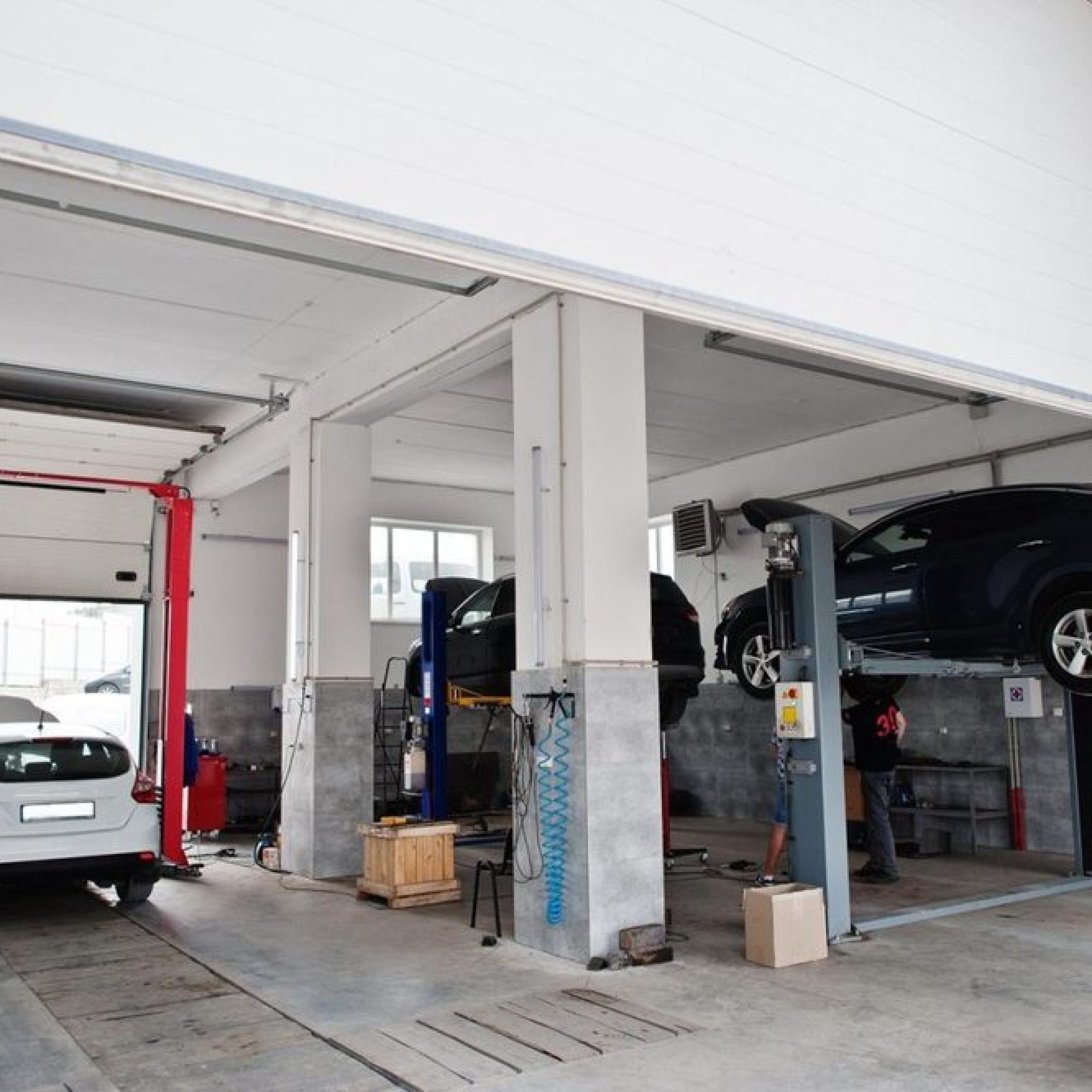
Fixed operations hold expensive tools, parts inventory and customer vehicles. Cameras in service bays and parts rooms help reduce shrinkage, confirm when a vehicle was worked on and support quality reviews when a customer raises a concern about a repair.
6. Giving Managers Visibility Across Locations
Dealer groups often run several rooftops in different towns. A connected surveillance system lets managers check any store from a video surveillance monitor at headquarters, compare traffic patterns and confirm that procedures are followed at every location without driving between sites.
The same view helps during busy sales events and inventory deliveries, when managers want to see lot congestion, test-drive traffic and staffing levels at each store from one place.
What a Dealership Video Surveillance System Needs
Dealership lots are wide, bright by day and dark at night, with rows of reflective vehicles that challenge ordinary cameras. A dependable system typically combines high-resolution cameras with good low-light performance, pan-tilt-zoom cameras for large lots, enough lighting at entrances and perimeters, and reliable network cabling and power to every pole and building. Storage and network capacity must be sized so live monitoring and recording run smoothly. Our guide to real-time video surveillance explains how live monitoring works behind the scenes.
Planning also covers who receives alerts, how the monitoring team reaches managers after hours and how footage is exported when an insurer or police department asks for it.
Dealership Video Surveillance FAQs
Recorded surveillance stores footage so it can be reviewed after an incident. Live surveillance adds people watching the cameras in real time, ready to warn intruders, verify alarms and contact police while an event is still unfolding. Many dealerships use both: live monitoring after hours and recorded footage for daytime review.
Large lots usually need a mix of wide-view cameras for overall coverage and pan-tilt-zoom or long-range cameras to see detail at a distance. Low-light performance and proper lighting matter because most thefts happen at night. A site survey determines how many cameras are needed and where poles should go, and our overview of the types of video surveillance systems compares the main options.
Often, yes, if the cameras and recorder can stream reliably to a monitoring center. Older analog cameras or recorders may need upgrades to deliver clear live video. An assessment of the current system shows which equipment can stay and what needs to change before live monitoring begins.
Ready to protect inventory around the clock? Talk to Alliance Telecommunications about security solutions designed for dealership lots and service departments.