

The Importance Of Video Surveillance In Manufacturing Operations
Quick Summary
Manufacturing video surveillance protects workers, equipment and inventory, documents incidents and helps managers spot bottlenecks and safety risks on the floor. A well-planned system covers the perimeter, docks, production lines and storage with cameras rated for industrial conditions and a network built to carry the video reliably.
A single incident on a plant floor can stop a line, injure a worker or send a shipment out the door that never should have left. When nobody can see exactly what happened, the investigation drags on, insurance questions multiply and the same problem is likely to happen again.
That is why manufacturing video surveillance has moved from a security add-on to an operational tool. Alliance Telecommunications has designed and installed commercial security solutions since 1983, including camera systems for production facilities, warehouses and industrial campuses.
Why Manufacturing Video Surveillance Matters
Manufacturing sites combine expensive equipment, valuable inventory, heavy vehicles and large numbers of people moving through shifts around the clock. That mix creates risk in several directions at once: theft, safety incidents, quality problems and disputes with carriers or suppliers.
Cameras give managers an accurate record of what happened and when. They also give security and operations teams live visibility across a facility that no single supervisor can walk in one shift. For plants running nights and weekends with lighter staffing, that visibility matters even more.
Improving Worker Safety on the Plant Floor
Video helps safety teams understand how incidents and near misses actually happen. Footage of a forklift close call or a slip near a machine shows the conditions that led up to it, which makes it easier to fix the layout, signage or procedure behind the risk.
Cameras can also confirm that restricted areas stay clear when equipment is running and help responders reach the right location quickly when someone is hurt. Used this way, surveillance supports the safety culture rather than replacing supervision.
Protecting Inventory and Shipping Docks
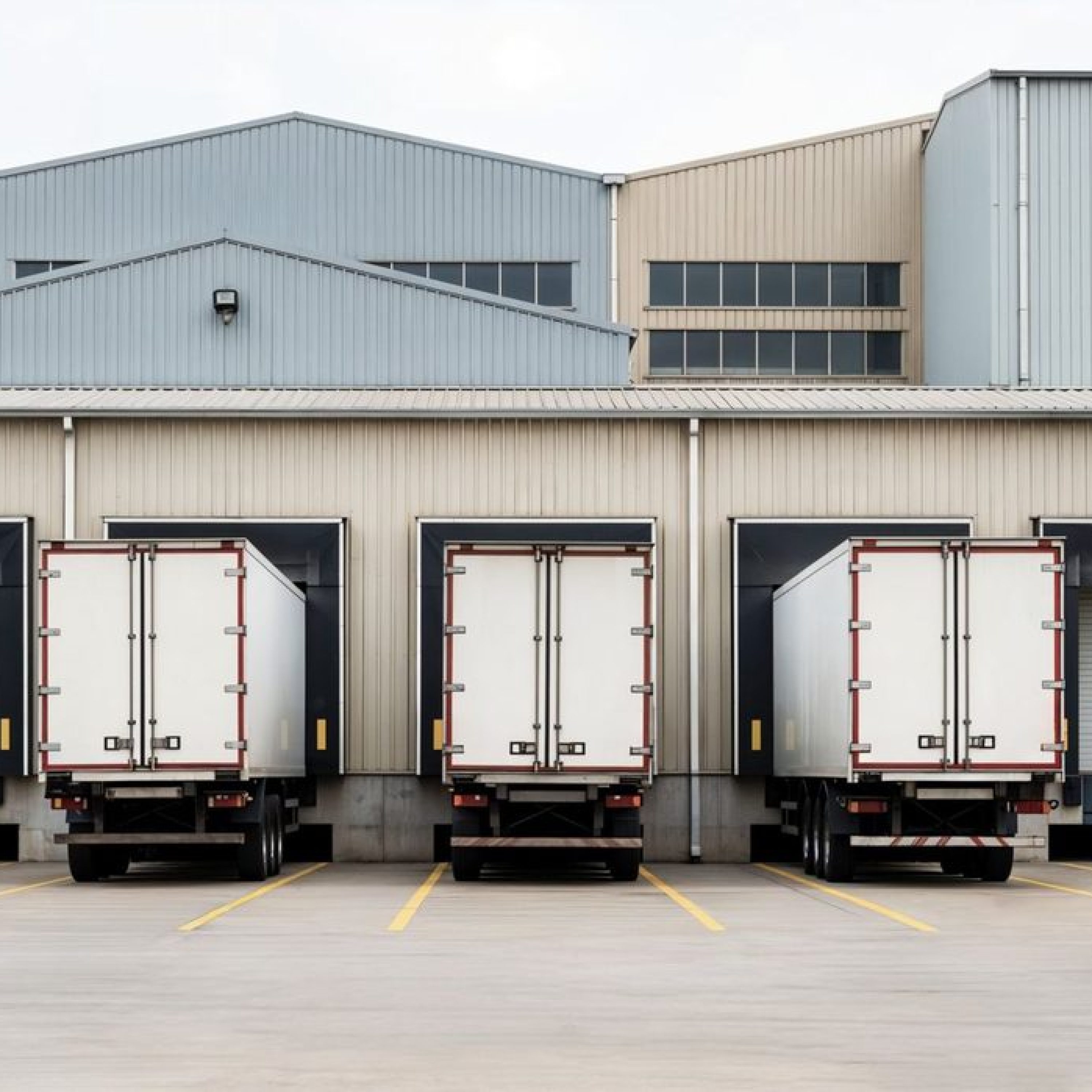
Loading docks, raw material yards and finished goods storage are where losses most often occur. Cameras covering those areas deter theft, verify what was loaded onto each truck and help resolve damage claims with carriers.
At the perimeter, cameras paired with lighting and access control protect gates, fence lines and parking areas after hours. Linking video to door and gate events, as described in our article on access control with video surveillance, gives security a complete picture of who entered and when.
Supporting Quality Control and Process Review
Surveillance is not only about security. Cameras over production lines let engineers review a stoppage, see how a defect entered the process or confirm that a procedure was followed. Recorded footage also helps when training new staff on correct handling and setup.
Live views give managers visibility into several lines or buildings from one location, which supports faster decisions when a bottleneck appears. Our guide to real-time video surveillance explains how live monitoring works in practice.
Choosing Video Surveillance Cameras for Business Facilities
Industrial settings are hard on equipment. Dust, moisture, vibration, temperature swings and harsh lighting all affect how a camera performs and how long it lasts. Video surveillance cameras for business facilities of this kind should have housings rated for the environment, along with the resolution and lens needed for each view.
A good design starts with a coverage plan that maps every entrance, dock, aisle and production area that needs visibility. It then sizes on-site recording and storage to keep footage for the required period, and plans the network so high-resolution video does not compete with production systems for bandwidth. Cabling routes, power and mounting heights need to be coordinated with plant operations so installation does not disrupt production.
After installation, the system needs the same attention as any other plant equipment. Scheduled checks on camera focus, housings, recording health and storage keep footage usable when it is needed, and a service partner who already knows the site can respond quickly when something fails.
Manufacturing Video Surveillance FAQs
Coverage usually starts at entrances, gates, docks and inventory storage, then extends to production lines, hazardous areas and parking lots. A site walk with operations and safety staff identifies the views that matter most. Cameras should be placed so they capture faces at entry points and wide context on the floor, without blind spots between zones.
Footage gives investigators an objective view of the moments before and after an incident, including equipment position, traffic and lighting. That record helps identify root causes and supports corrective action. Retention settings should keep footage long enough for incidents that are reported a few days later.
Retention periods depend on company policy, insurance requirements and how quickly incidents tend to be reported. Many facilities keep routine footage for a set number of days and preserve specific clips longer when an incident occurs. The storage system should be sized for the chosen retention period at the resolution each camera records.
Protecting a production facility starts with seeing it clearly. Talk to Alliance Telecommunications about security solutions designed for industrial sites.