

A Guide To Physical Intrusion Detection Systems (PIDS)
Quick Summary
A physical intrusion detection system (PIDS) uses sensors on fences, doors, windows and open ground to detect someone entering a protected area and alert security in time to respond. Commercial systems layer perimeter, building-shell and interior detection and tie each alarm to video and access control so staff can see what triggered it.
A break-in rarely starts at the front door. It starts at a fence line behind a warehouse, a loading dock left in shadow or a roof hatch nobody checks. By the time someone notices, equipment is gone, inventory is damaged and operations are disrupted for days.
A physical intrusion detection system is designed to close that gap. It detects an intruder at the edge of a property, confirms what is happening and gives security staff time to act. Alliance Telecommunications has designed and installed commercial security solutions since 1983, and PIDS projects are among the most site-specific work we do.

What a Physical Intrusion Detection System Does
Every PIDS performs three jobs: detect, assess and respond. Sensors detect a disturbance, such as someone climbing a fence or crossing a protected zone. Cameras or operators assess whether the alarm is a real threat or a passing animal. Then the system triggers a response, from a siren and lights to a call to on-site guards or a monitoring center.
Unlike a basic door alarm, a PIDS is built around zones. A large site might be divided into dozens of perimeter segments, each reporting separately, so responders know exactly where an intrusion began. That precision is what makes the system useful on campuses, utilities, data centers, manufacturing plants and storage yards.
Speed is the whole point. The earlier an intrusion is detected, the more time responders have between the alarm and the moment an intruder reaches a building or valuable equipment.
The Need for Intrusion Detection Systems at Commercial Sites
The need of intrusion detection systems grows with the size and value of a property. Large perimeters cannot be patrolled continuously, and cameras alone rely on someone watching the right screen at the right moment.
For our clients, the business case usually comes down to a few risks:
Theft: copper, tools, vehicles and inventory stored outdoors are frequent targets.
Vandalism and sabotage: damage to equipment can halt production or service.
Liability: unauthorized people on a site can be injured, creating legal exposure.
Compliance: some facilities must show that sensitive areas are protected and monitored.
Early detection at the perimeter turns those risks into events security can manage, rather than losses discovered the next morning. Our article on the role of intrusion detection systems in business safety looks at these risks in more depth.
Common PIDS Sensor Types
No single sensor suits every site. Most intrusion detection solutions combine several technologies, chosen for the terrain, fence type and level of risk.
Fence-Mounted Sensors
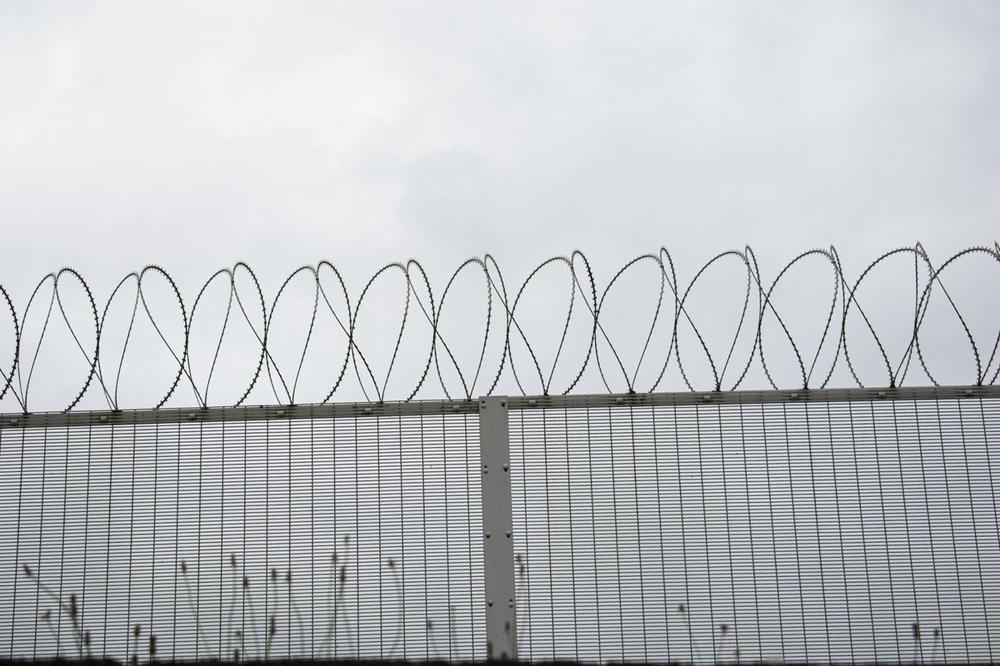
Sensor cable or sensors attached to a fence detect the vibration of someone cutting, climbing or lifting it. They are a common first layer on sites that already have a sturdy perimeter fence, and they can be zoned so each fence section reports on its own.
Buried and Ground Sensors
Sensor cables buried along a perimeter detect pressure or disturbance from someone walking or driving over them. Because they are hidden, they are hard to avoid and do not change the look of a property.
Microwave and Infrared Beams
Microwave links and active infrared beams create invisible detection zones across open ground, gates and rooftops. They work well where a fence is not practical or where a second layer is needed inside the fence line.
Door, Window and Glass-Break Sensors
At the building shell, contacts on doors and hatches and glass-break detectors on windows report entry attempts into the structure itself.
Radar and Video Analytics
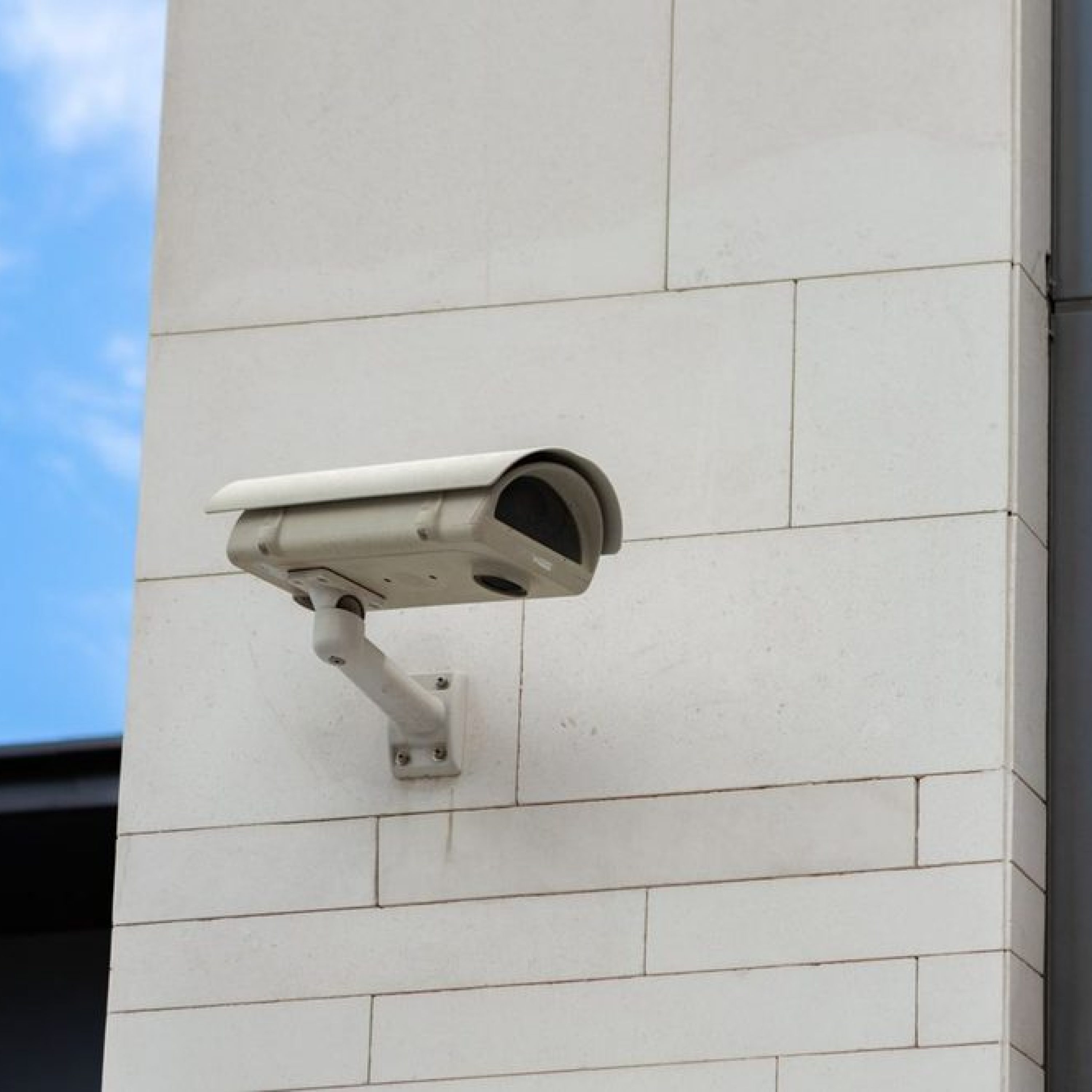
Ground-based radar and cameras running video analytics can track a person moving across a wide area and confirm a perimeter alarm on screen. Our guide to types of intrusion detection systems compares these and other options.
Designing Layered Intrusion Detection Solutions
The strongest systems use layers, so an intruder who gets past one meets the next. A typical design places detection at the outer perimeter, again at the building shell and finally in high-value interior areas.
Design starts with a site survey: walking the perimeter, noting terrain, vegetation, lighting, existing fencing and where people and vehicles normally move. That survey sets how zones are divided, which sensors suit each zone and where cameras need to point to verify alarms.
Integration is the other half of design. When a perimeter sensor trips, the right camera should call up automatically, and the event should be logged alongside badge activity from commercial access control systems. Every sensor also needs reliable power and cabling back to the head end, which is why infrastructure planning belongs in the design from day one.
Choosing the Right Partner to Install a PIDS
A physical intrusion detection system is only as dependable as its installation. Sensors must be calibrated to the site, tested zone by zone and documented so that operators know exactly what each alarm means.
When evaluating a contractor, our clients ask about experience with perimeter projects of similar size, how alarms will be verified, how the system will connect to existing cameras and access control, and what support and maintenance look like after installation. A partner that handles design, cabling, installation, programming and long-term service keeps every layer working together.
Ongoing service matters as much as the install. Fences shift, vegetation grows and sites expand, so periodic testing and recalibration keep each zone reliable year after year.
Physical Intrusion Detection FAQs
The main difference is reach: a standard alarm system usually stops at the building’s doors and windows, while a PIDS starts at the property line. A PIDS extends protection outward to fences, yards and open ground, with zone-by-zone reporting and verification tools built for large sites. Many commercial properties run both, with the interior alarm acting as the last layer behind the perimeter system.
Nuisance alarms from wind, wildlife or weather are reduced through careful sensor selection, calibration for each zone and camera verification. Clearing vegetation near the perimeter and tuning sensitivity after installation also help. Reviewing alarm logs during the first weeks of operation lets the installer adjust settings before the system is relied on full time.
Often, yes. Many perimeter systems can send alarms to existing video management software so the nearest camera displays the zone that triggered. Older analog cameras may need upgrades to support this. A site survey confirms which existing equipment can be reused and where new cameras or cabling are needed.
Protecting a large site starts with knowing where it is exposed. Talk to Alliance Telecommunications about security solutions that combine perimeter detection, video and access control.