


Exploring Recent Trends In Video Surveillance Technology
Quick Summary
The biggest recent trends in video surveillance are intelligent video analytics, higher-resolution IP cameras, better low-light imaging, processing inside the camera, integration with access control and alarms, and network designs built around Power over Ethernet. Each one changes what a business can see and how quickly it can respond.
Many businesses still run camera systems installed a decade ago. The footage is grainy at night, searching for an incident takes hours and the cameras do nothing until someone happens to look at a screen. When something goes wrong, that gap shows up as lost inventory, unresolved disputes and slower response.
Surveillance has changed a great deal since those systems went in. Alliance Telecommunications has designed and installed commercial security solutions since 1983, and these are the trends that matter most when our clients plan an upgrade.
1. Intelligent Video Surveillance and AI Analytics
Intelligent video surveillance uses analytics to recognize what is happening in a scene, such as a person entering a restricted area, a vehicle stopping in a fire lane or an object left behind. Instead of recording everything and waiting for someone to review it, the system flags events as they happen. Search also improves: staff can look for a person in a red jacket or a white van across hours of footage in seconds rather than scrubbing through recordings.
Analytics work best when they are tuned to the site. Setting the right detection zones and rules during commissioning keeps alerts meaningful and avoids flooding security staff with harmless events.
2. Higher-Resolution IP Surveillance Video Cameras
Modern IP cameras capture far more detail than older analog models, which makes faces, license plates and small objects easier to identify. A single high-resolution surveillance video camera can sometimes cover an area that once needed several older cameras, though more resolution also means more storage and network capacity to plan for.
3. Better Low-Light and Thermal Imaging
Improved sensors and infrared illumination now produce usable color or clear black-and-white images in very low light. For perimeters and large outdoor areas, thermal cameras detect heat signatures in complete darkness, fog or smoke, which makes them useful for spotting people along a fence line at night.
4. Edge Processing Inside the Camera
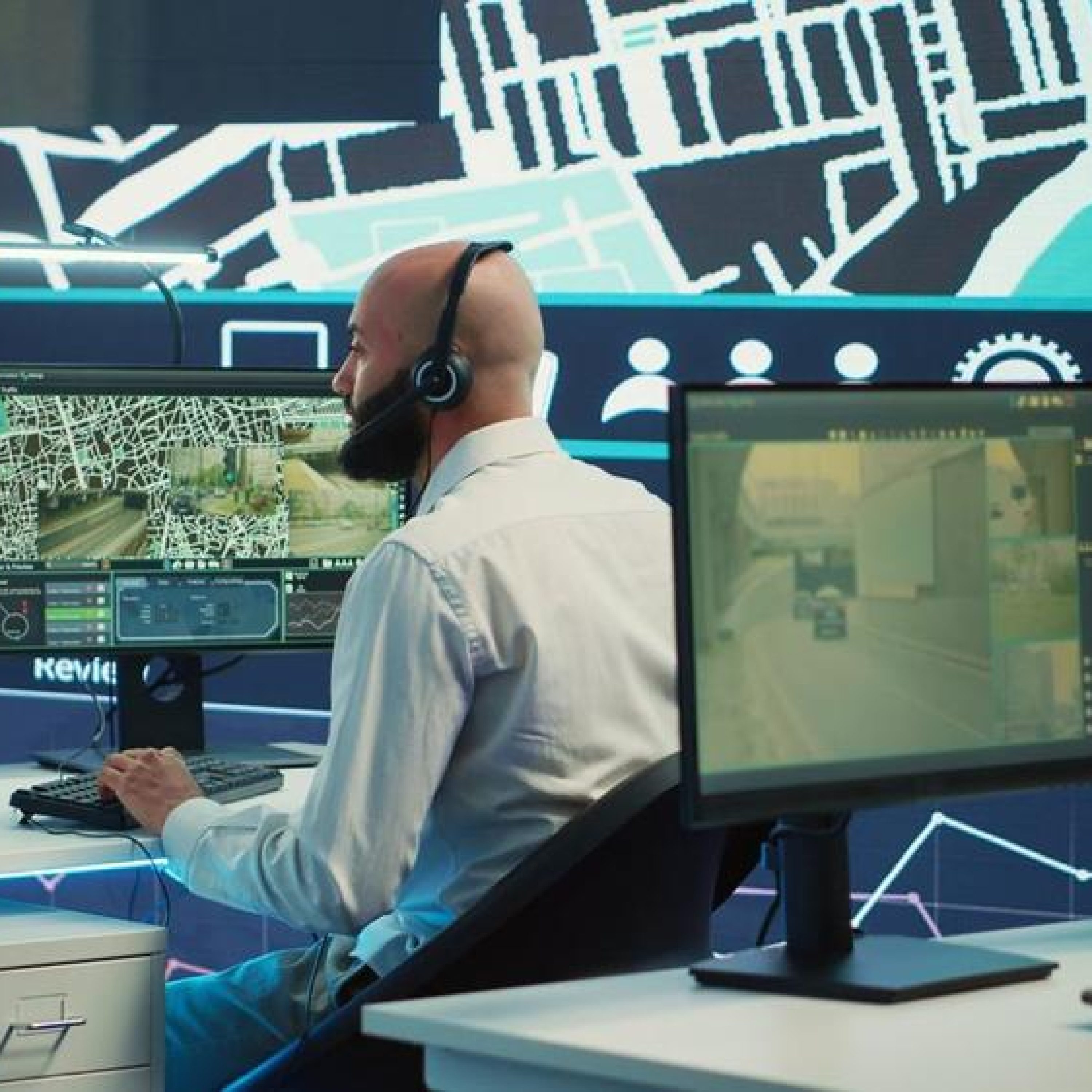
More cameras now run analytics on the device itself rather than sending every frame to a central server. Processing at the edge reduces network load, speeds up alerts and keeps the system working even if a link to the server is interrupted. It also lets a business add analytics camera by camera instead of replacing its whole recording platform at once.
5. Integration With Access Control and Alarms
Surveillance increasingly works as part of a larger security system. When a door is forced or a badge is denied, the nearest camera can display the event automatically and attach the clip to the alarm record. Our article on combining access control with video surveillance explains how that integration helps security teams.
6. PoE Networks Built for Video
Most IP cameras now draw power and data through a single network cable using Power over Ethernet. That simplifies installation, but it also means the switches, cabling and network design must be sized for video. Bandwidth, power budgets and cable distances all need to be planned before cameras go up, especially when high-resolution cameras and analytics are added to an existing network.
Choosing the Best Video Surveillance System for a Business
The best video surveillance system is the one that fits the site, the risks and the way people will actually use it. Our clients typically start with a walk-through to identify what needs coverage, from entrances and parking areas to loading docks and cash handling. From there, the design matches camera types, analytics, storage and network capacity to those needs. Our guide to the types of video surveillance systems is a useful starting point.
Video Surveillance Trends FAQs
A smart surveillance system is a camera system that analyzes video as it records, rather than simply storing footage. Smart systems can send alerts for specific events, sort footage by type of activity and connect with other building systems. When comparing options, ask which analytics run on the camera, which run on the server and how alerts reach the people responsible for responding.
Yes, within limits. Analytics can watch every camera at once and highlight events worth attention, which a person cannot do across dozens of screens. People still make the final call. The most effective setups use analytics to filter and prioritize so security staff spend their time on the events that matter.
There is no fixed schedule. An upgrade usually makes sense when footage is no longer clear enough to identify people or plates, when cameras cannot connect to newer access control or analytics, or when a site expands. A professional assessment shows which cameras can stay and which should be replaced.
Planning a camera upgrade? Talk to Alliance Telecommunications about security solutions that bring these technologies together on a network built for video.