

Essential Guide To Video Surveillance For Construction Sites
Quick Summary
Construction site remote video surveillance uses cameras on mobile towers or temporary poles, linked by cellular or wireless connections, to watch a job site around the clock. It deters theft of tools and materials, documents progress and incidents, supports safety and can grow into the finished building’s permanent IP video surveillance system.
An open job site is one of the easiest targets in any town. Copper wire, generators, power tools and stacked materials sit behind temporary fencing, often with no one on site after the last crew leaves. One night of theft or vandalism can delay a schedule by days, trigger change orders and push insurance costs up for the rest of the project.
Remote monitoring gives general contractors and developers eyes on the site when nobody is there. Alliance Telecommunications has designed and installed commercial security solutions since 1983, and we work with builders from temporary job site coverage through the permanent systems installed in finished buildings.
Why Construction Sites Need Video Surveillance
Construction sites change every week. Fences move, new materials arrive, equipment shifts between areas and subcontractors come and go. That constant change makes them hard to secure with locks and fencing alone.
For our clients, video surveillance addresses several risks at once:
Theft: tools, fuel, copper and equipment are frequent targets, especially overnight and on weekends.
Vandalism: damage to finished work or equipment can set a schedule back.
Liability: trespassers who are injured on site can create legal exposure for the builder and owner.
Disputes: footage helps settle questions about deliveries, damage and when work was completed.
Video also supports the people running the project. Superintendents can confirm that a delivery arrived, see whether a crew started on time or check conditions after a storm without driving to the site. Owners and lenders often appreciate the added oversight as well, particularly on large projects with long schedules.
How Construction Site Remote Video Surveillance Works
Most job sites do not have permanent power or network service in the early phases, so construction systems are built to be self-contained. Cameras are often mounted on mobile surveillance towers or temporary poles, powered by site power, batteries or solar panels and connected through cellular or point-to-point wireless links.
Video can be recorded on site, viewed remotely by project managers and, when live monitoring is added, watched by trained operators who respond to alarms in real time. Many setups combine motion detection or analytics with lights and audio warnings, so an intruder is challenged before reaching equipment. Our guide to real-time video surveillance explains how live monitoring works.
Response plans matter as much as cameras. Before the system goes live, the builder and the monitoring team should agree on who gets called for each type of event, when police are contacted and how footage is shared after an incident. Clear procedures turn an alert into a fast, consistent response.
Choosing Video Surveillance Security Camera Types for a Job Site
Each video surveillance security camera on a job site should match the area it covers.
Pan-Tilt-Zoom Cameras
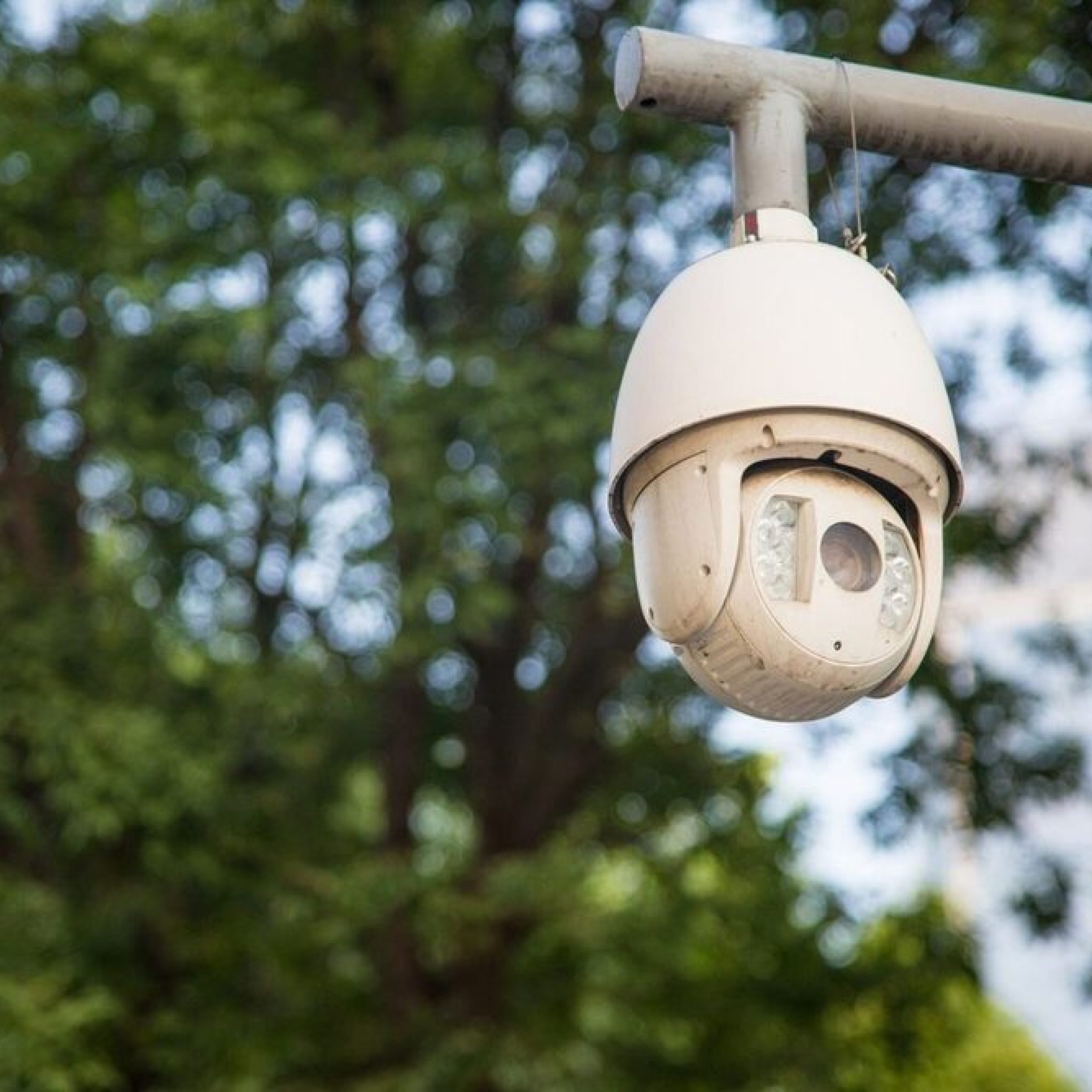
PTZ cameras can sweep a wide area and zoom in on activity, which suits large sites and laydown yards where one camera needs to watch several zones.
Fixed Bullet and Dome Cameras
Fixed cameras give constant coverage of gates, trailers, fuel storage and other points that must always be recorded.
Thermal Cameras
Thermal cameras detect people by heat signature in darkness, fog or dust, making them useful along long perimeters with little lighting.
Time-Lapse Cameras
Time-lapse cameras capture steady progress images for project reporting and marketing, separate from the security system.
Planning Coverage as the Project Changes
A camera plan that works during excavation may leave gaps once the structure rises. Good coverage plans start with the site logistics plan: entrances, haul routes, laydown areas, fuel and equipment storage and the site office. Cameras are placed to watch those points first, then repositioned as phases change.
Mobile towers make that easier because they can be moved as fencing and staging areas shift. Regular check-ins between the security provider and the site superintendent keep coverage aligned with the current layout, rather than the one from three months ago.
Lighting is part of the plan too. Even the best cameras struggle on a dark site, so temporary lighting at gates, storage areas and the site trailer improves both image quality and deterrence. Where lighting is limited, thermal cameras and infrared illuminators fill the gaps along the perimeter.
Moving From Temporary Cameras to a Permanent IP Video Surveillance System
For general contractors and owners, the job site is also the future building. Planning the permanent IP video surveillance system during construction avoids opening finished walls and ceilings later.
When structured cabling, pathways and telecom rooms are designed with cameras in mind, the permanent system can be installed and tested before occupancy. That coordination is easier when the same contractor handles low-voltage cabling and security, which is the approach our clients take on many projects. Our article on the types of video surveillance systems outlines the options for finished buildings.
Some temporary equipment can even stay on as part of the final system. Poles, conduit and cameras placed at permanent entrances or parking areas can be integrated into the building’s network once it is live, which reduces the cost of the finished security installation and gives the owner continuous coverage from groundbreaking to occupancy.
Construction Site Video Surveillance FAQs
Where temporary site power is not yet available, battery packs or solar panels mounted on the same tower or pole keep job site cameras running. Solar towers with battery backup can operate for long stretches without a generator. The choice depends on how much sun the site gets, how many cameras each tower supports and whether lights and speakers also need power.
Security cameras capture what happens on site, but dedicated time-lapse cameras are usually better for progress reporting because they record steady, high-quality images at set intervals. Many builders use both: security cameras for protection and time-lapse cameras for owner updates, marketing and schedule documentation.
Coverage works best when it starts the day equipment and materials arrive, often during site preparation. Waiting until the first theft means losses have already occurred. The permanent system should be planned during design so cabling and power are in place before ceilings and walls close.
Planning security for an upcoming project? Talk to Alliance Telecommunications about security solutions that protect the job site and carry through to the finished building.